
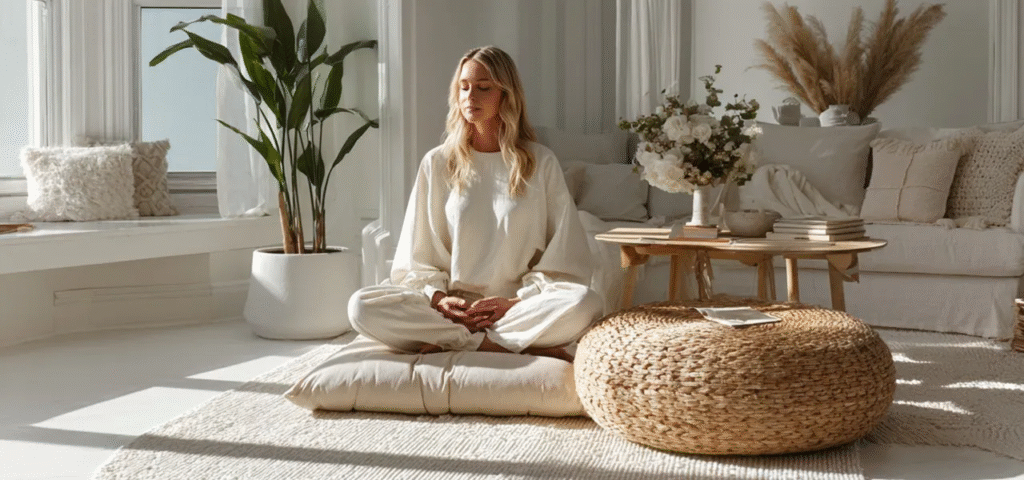
Creating a relaxing home doesn’t require turning your living room into a luxury spa or spending thousands on high-end minimalist decor. More often than not, true at-home wellness comes down to the simplest adjustments: dialing down harsh lights in the evening, clearing off a cluttered nightstand, opening a window for fresh air, or carving out ten quiet minutes without a screen buzzing in your hand.
Home wellness focuses on designing intentional spaces that support genuine rest, practical daily routines, and mental clarity. You don’t need a massive floor plan or a complete architectural overhaul to make this happen—a single, thoughtfully arranged corner can completely change how a room feels.
What Does a Home Wellness Space Actually Look Like?
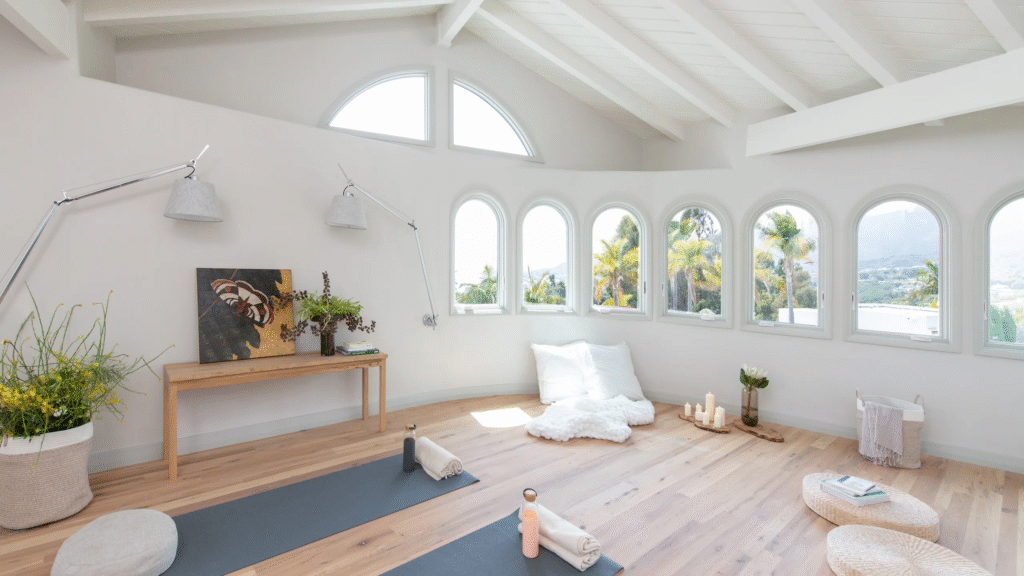
A wellness space is simply any spot in your home arranged to help you feel grounded, comfortable, or recharged. It doesn’t have to be a dedicated room; it just needs a clear purpose.
- A Restful Bedroom: Free from work documents and visual clutter.
- A Dedicated Reading Nook: A supportive chair paired with a warm reading lamp.
- A Screen-Free Zone: A floor cushion or armchair reserved strictly for offline downtime.
- A Spa-Inspired Bath: Organized counters, soft textiles, and warm ambient lighting.
- A Green Balcony or Porch: A small outdoor nook with potted plants and fresh air.
Reduce Visual Noise Through targeted Decluttering Home Wellness

It is inherently difficult to unwind when every flat surface is competing for your visual attention. Decluttering for wellness isn’t about forced minimalism; it’s about reducing sensory overload so your mind can rest.
The 10-Minute Reset: Pick one high-traffic surface—like your bedside table or coffee table—and clear everything off it. Only put back what you use daily. Store the rest out of sight or donate what you don’t need.
Align Your Lighting with Your Circadian Rhythm

Overhead ceiling lights are great for cleaning, but they send wake-up signals to your brain when used late at night. Changing your lighting environment as the sun goes down is one of the fastest ways to signal to your body that it’s time to wind down.
Bring Natural Elements Indoors
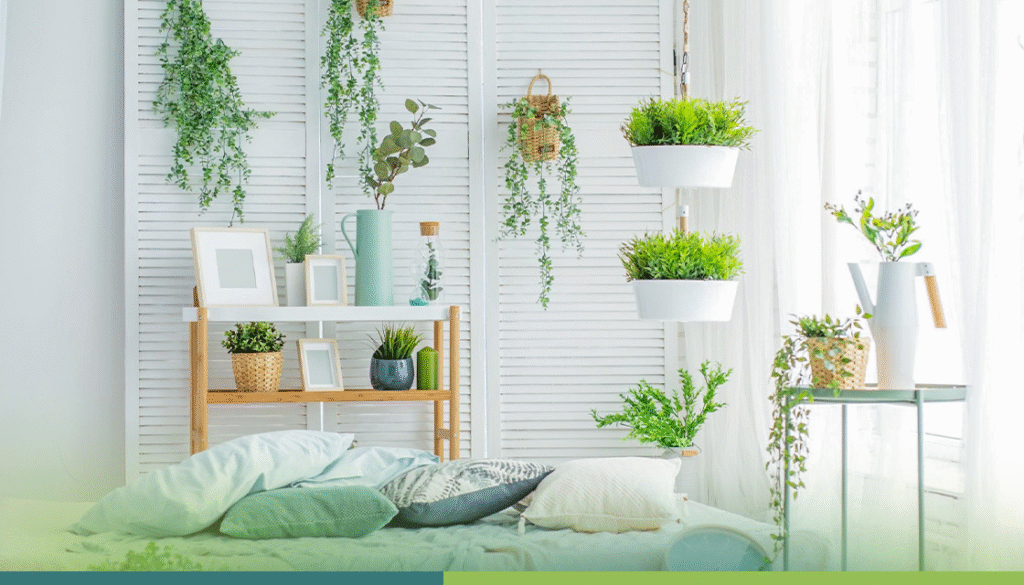
Connecting your indoor environment with the natural world—often called biophilic design—helps lower stress and makes living spaces feel more vibrant.
- Low-Maintenance Houseplants: Options like Pothos, Snake Plants, ZZ Plants, or Peace Lilies add life and deep greens with minimal care.
- Tactile Natural Materials: Swap synthetic fabrics for natural textures like linen throws, cotton sheets, solid wood tables, bamboo baskets, and ceramic mugs.
Optimize the Bedroom for Uninterrupted Sleep
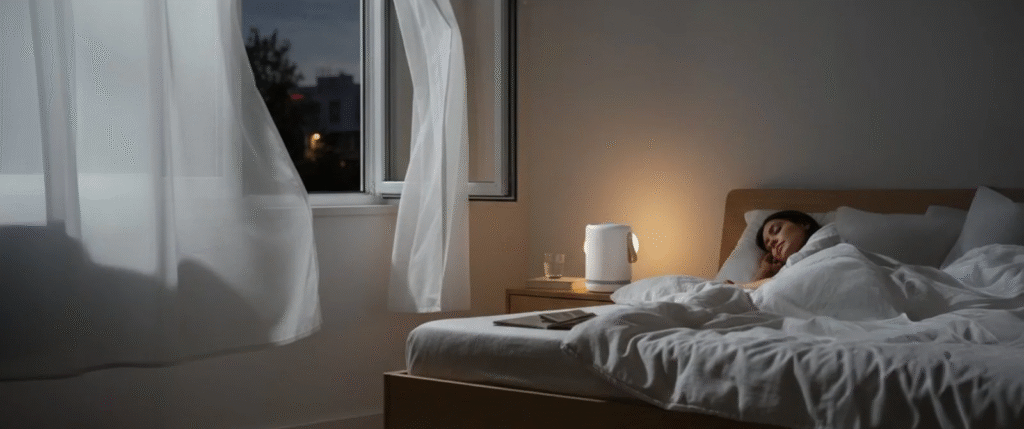
Your bedroom should serve a single primary purpose: high-quality rest. If your sleep environment feels chaotic, your sleep quality usually follows suit.
Establish an Offline Anchor Point
In an age of constant connectivity, having a space where screens aren’t the center of attention is essential. Designate one comfortable spot in your home as a low-tech or zero-tech zone.
Use this space exclusively for offline activities:
- Reading physical books or magazines
- Journaling or sketching
- Drinking morning coffee or evening tea
- Simple stretching or breathwork
Upgrade Your Bathroom Experience
You don’t need a tile-to-ceiling bathroom remodel to make your daily shower or bath feel like a retreat. Simple adjustments go a long way:
- Clear the Counters: Store daily toiletries inside drawers or cabinets rather than leaving them scattered around the sink.
- Upgrade the Textiles: Invest in a plush, fast-drying bath mat and a set of clean, heavy cotton towels.
- Soft Evening Illumination: Turn off the bright vanity lights during evening showers or baths and use a warm, moisture-safe accent lamp or a candle instead.
Prioritize Practical Ergonomics and Comfort

Wellness isn’t purely aesthetic—it’s physical. Look closely at where you spend the most time sitting, working, or relaxing.
Keep Air Fresh and Circulating
Indoor air quality plays a massive role in how energetic or lethargic you feel throughout the day.
- Daily Ventilation: Open windows across opposite sides of your home for 10–15 minutes each morning to flush out stale air.
- Humidity Control: Keep indoor humidity balanced to prevent mold growth while avoiding overly dry air that irritates your sinuses.
- Filter Maintenance: Replace HVAC, furnace, or air purifier filters regularly to reduce dust accumulation.
Incorporate Subtle, Grounding Scents

Scent is tied directly to memory and emotional regulation. Overpowering synthetic air fresheners can trigger headaches, so opt for subtle, clean scents instead:
- Fresh Linen: Clean bedding and freshly laundered curtains instantly refresh a room’s atmosphere.
- Natural Essential Oils: Diffuse lavender or chamomile in the evening to prepare for sleep, or citrus and eucalyptus in the morning for energy.
- Fresh Air: Simply airing out a room often works better than masking lingering odors with heavy sprays.
Design Environments That Make Good Habits Frictionless
Healthy routines are much easier to stick to when your home setup encourages them naturally. Instead of hiding your wellness tools away, place them where they actively invite use.
High-Impact Wellness Tweaks That Cost $0

You don’t need to spend money to transform the feel of your home. You can create a substantially calmer atmosphere using items you already own:
- Rearrange for Natural Light: Move your favorite reading chair or work desk closer to a window.
- Clear Your Entryway: Create an organized spot for shoes, coats, and keys so walking through the front door feels peaceful.
- Shift Your Screen Placement: Move television screens or monitors so they aren’t the central focal point of your main living space.
- Create Seasonal Changes: Swap heavy winter blankets for lighter cotton throws in warmer months to keep spaces feeling fresh.
Structuring Your Home for the Rhythm of Your Day
Instead of treating every room the same, align your spaces with your daily energy levels:
Start Small: Pick One Corner Today
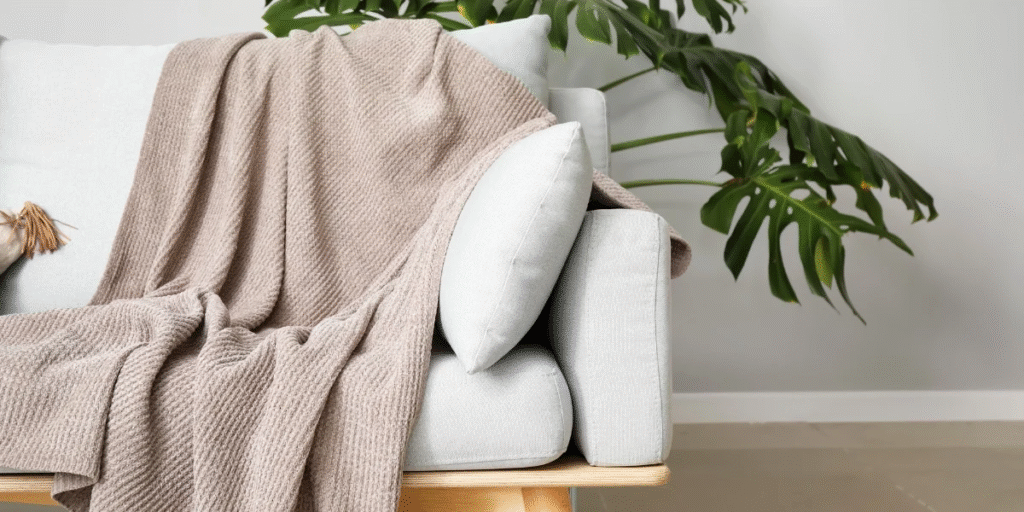
Building a home that supports your well-being isn’t about copying curated photos online—it’s about creating an environment that feels good to live in.
Start by identifying the one spot in your home where you spend the most time feeling stressed. Apply two simple changes—like clearing off the nearest surface and adding a warm lamp—and notice how much lighter the space feels. Your home should be the place where you recharge, not another item on your to-do list.
Frequently Asked Questions
1. What are the best home wellness trends for 2026?
Popular home wellness ideas include calming lighting, natural materials, indoor plants, clutter-free spaces, digital-free corners, comfortable bedrooms, meditation areas, and flexible spaces for movement and relaxation.
2. How can I turn my home into a relaxing retreat?
Start with one room or corner. Reduce clutter, improve lighting, add comfortable textures, bring in some greenery, and create a space where you can read, relax, stretch, or disconnect from technology.
3. Do I need a dedicated wellness room?
No. A wellness space can be as simple as a comfortable chair beside a window, a small meditation corner, a peaceful balcony, or part of your bedroom.
4. How can I create a home wellness space on a budget?
You can rearrange existing furniture, declutter, use softer lighting, add plants, create a reading corner, reduce screen distractions, and use blankets or cushions you already own.
5. Why are plants popular in home wellness design?
Plants can bring natural color and texture into a room and help create a more inviting atmosphere. Choose plants that suit your home’s light and your ability to care for them.