
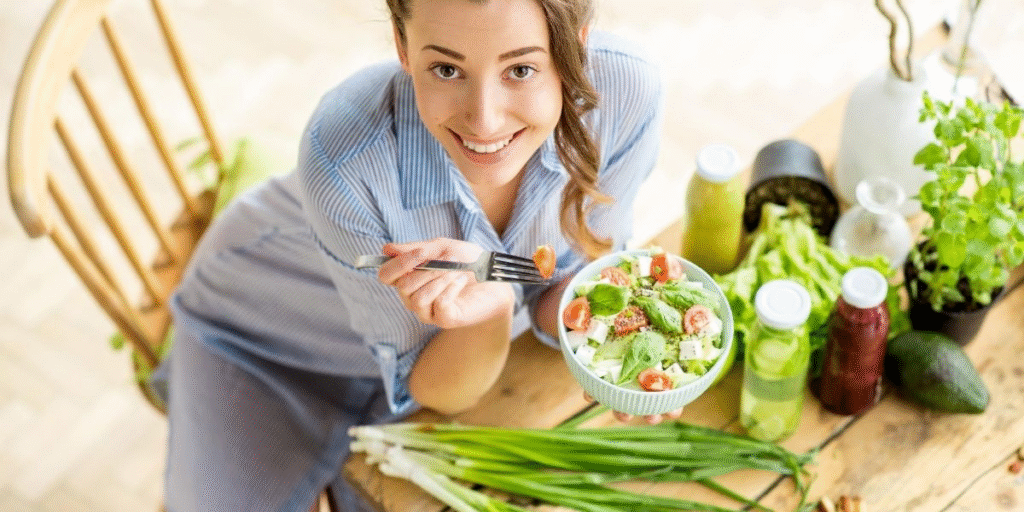
Nutrition advice is exhausting right now.Healthy Eating One week everyone is obsessed with protein, the next it’s seed oils, gut health, intermittent fasting, or a $15 green juice that promises to cure all your problems. You open social media and see immaculate breakfast bowls that look like they took two hours to assemble. But real life doesn’t look like an Instagram feed. Most of us just want to eat well without spending hours counting calories, reading fine print on food labels, or cooking complex meals every night.
The good news? Healthy eating doesn’t need to be extreme. The core principles haven’t changed: Healthy Eating a variety of whole foods, load up on vegetables and fruits, swap in whole grains and legumes, get enough protein, choose better fats, and keep ultra-processed items and added sugars in check. As the World Health Organization repeatedly points out, the “right” diet depends entirely on your culture, lifestyle, budget, and personal needs.
If you want to eat better in 2026 without losing your sanity, focus on habits over strict diets. Here are 25 practical, real-world healthy eating tips you can actually stick with.
25 Healthy Eating Tips That Actually Work
1. Add Vegetables to What You’re Already Cooking
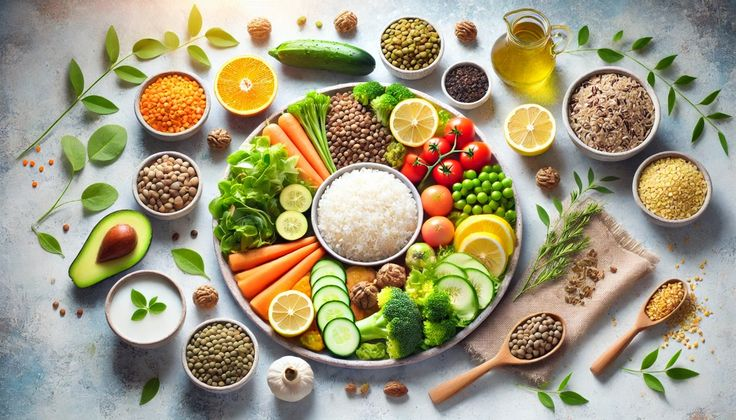
Don’t redesign your entire menu. Just toss extra veggies into meals you already like: throw spinach into scrambled eggs, drop peas and carrots into rice, or slide extra cucumber and tomato into a sandwich. WHO recommends at least 400 grams of fruits and vegetables daily—sneaking them into existing meals makes hitting that target effortless.
2. Anchor Every Main Meal with Protein
Protein keeps you full and protects your lean muscle. You don’t need to overcomplicate it—just ask yourself before eating: “Where is my protein coming from?”
- Plant Options: Lentils, chickpeas, black beans, tofu, tempeh, edamame, nuts, and seeds.
- Animal/Dairy Options: Eggs, Greek yogurt, cottage cheese, chicken, fish, or milk.
- Classic Staples: In Indian cooking, items like dal, rajma, chana, paneer, and curd naturally fit the bill.
3. Stop Treating Carbs Like the Enemy
Carbohydrates aren’t inherently bad for you. Oats, potatoes, rice, whole grains, and fruit are vital sources of daily energy. A bowl of lentil dal with brown rice is vastly different from a box of sugary cookies. Quality matters far more than total carb elimination.
4. Swap in Whole Grains Gradually
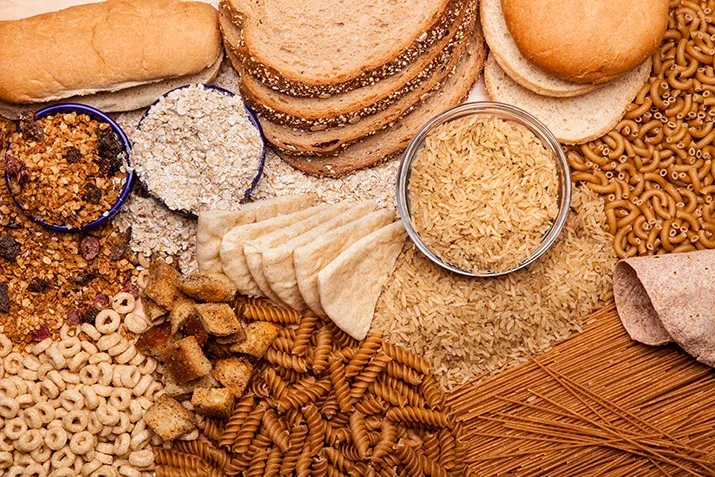
If you mostly eat refined grains, start making small switches. Try brown rice, oats, whole-wheat roti, barley, millets, or quinoa. Replacing just one or two meals a week with whole grains is a great starting line.
5. Put Beans, Lentils, and Chickpeas on Heavy Rotation
Legumes are cheap, shelf-stable, and packed with fiber and protein. Toss chickpeas into salads, add black beans to wraps, or cook a big pot of lentil soup. They are one of the most reliable cornerstones of a healthy diet.
6. Keep Fruit Visible
Out of sight, out of mind. If fruit is buried in the bottom crisper drawer of your fridge, it will rot. Keep a bowl of bananas, apples, or oranges directly on the counter so you have an instant, zero-prep snack when hunger hits.
7. Trade Sugary Drinks for Water
You don’t have to ban sweet drinks forever, but if sodas, sweetened teas, or fancy sugary coffees are a daily habit, swapping them for water is an easy win. Carrying a reusable water bottle makes drinking enough water second nature.
8. Embrace Healthy Fats
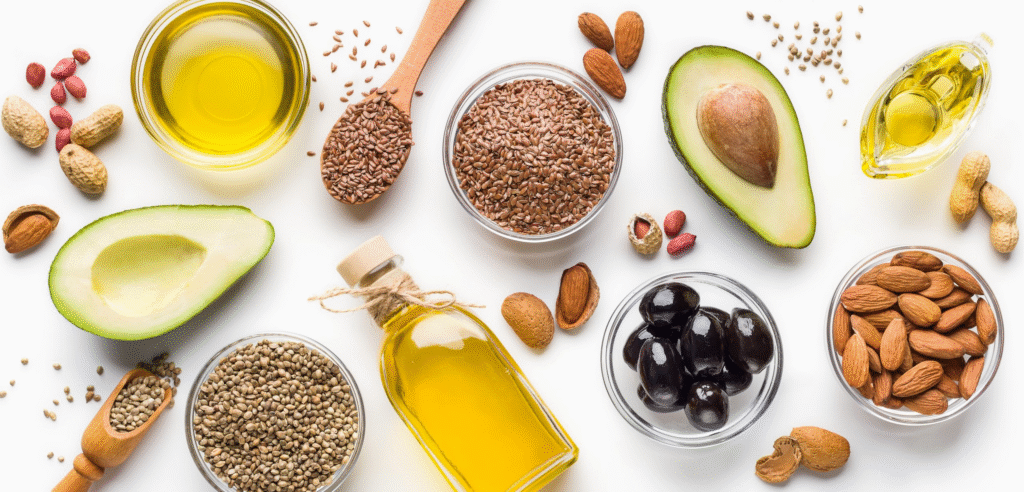
Fat isn’t public enemy number one. Your body needs unsaturated fats from sources like nuts, seeds, avocados, and olive oil. WHO guidelines recommend prioritizing unsaturated fats while scaling back on saturated and industrial trans fats.
9. Read Labels Without Getting Paranoid
Scanning ingredient lists is useful, but it shouldn’t cause an existential crisis in the grocery aisle. Look out for excessive added sugars, sodium, or artificial additives, but remember: coming in a package doesn’t automatically make something bad. Canned beans, frozen veggies, and plain oats are all packaged, inexpensive, and super healthy.
10. Lean Heavy on Frozen Vegetables
Fresh produce goes bad fast. Keep a few bags of frozen broccoli, spinach, or mixed veggies in your freezer. You can throw them straight into stir-fries, curries, soups, or pasta without any washing or chopping.
11. Build a Colorful Plate
A colorful plate usually means a nutrient-dense plate. Try mixing up your colors throughout the week:
- Green: Spinach, beans, broccoli
- Orange/Yellow: Carrots, sweet potatoes, corn
- Red/Purple: Tomatoes, beets, purple cabbage
12. Slow Down and Taste Your Food

Eating on the go or while staring at a screen makes it easy to clear a plate before your brain registers that you’re full. Try putting your phone away, chewing thoroughly, and taking a few extra minutes to actually enjoy your meal.
13. Never “Punish” Yourself for Overeating
Had a massive dinner or binge-watched movies with a tub of popcorn? Do not starve yourself the next day to “compensate.” Simply go back to your normal, balanced routine at the next meal. Your long-term pattern matters way more than a single heavy meal.
14. Stock Up on Simple, Low-Prep Snacks
When you get ravenous and there’s no healthy option nearby, you’ll eat whatever is fastest. Keep easy options on hand:
- Handful of almonds or walnuts
- Plain yogurt with a drizzle of honey
- Hard-boiled eggs
- Roasted chickpeas or seed mixes
- Sliced veggies with hummus
15. Cook at Home When It Fits Your Schedule
Home-cooked meals give you total control over sodium, oil, and ingredients. But don’t turn it into a chore. A 15-minute egg sandwich, a quick vegetable stir-fry, or a simple bowl of rice and beans completely counts as home cooking.
16. Flavor with Herbs and Spices Instead of Heavy Salt
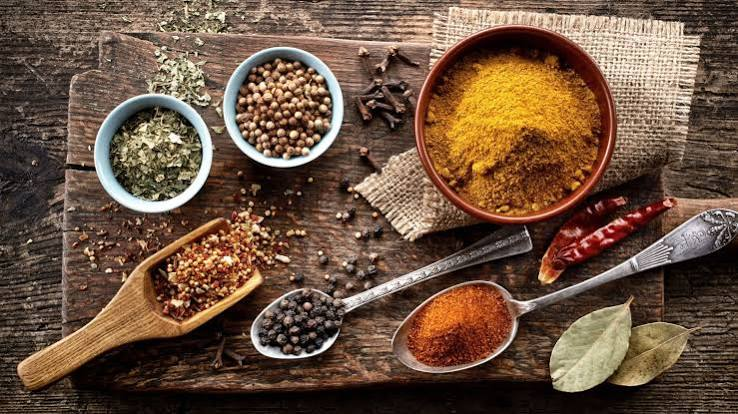
Healthy food shouldn’t taste like cardboard. Use garlic, ginger, cumin, turmeric, black pepper, chili, or basil to build deep flavor profiles without overloading your meals with sodium.
17. Upgrade Your Favorite Comfort Foods
Don’t ban the foods you love—modify them. Love pizza? Load it with veggies. Craving noodles? Toss in tofu, eggs, or chicken alongside extra greens. Want dessert? Enjoy a sensible portion guilt-free.
18. Ignore Expensive “Superfood” Trends
You don’t need imported powders or $20 wellness supplements to be healthy. Oats, lentils, bananas, eggs, and frozen berries are humble, affordable, and just as nutrient-packed as whatever is trending on social media.
19. Practice “Micro” Meal Prep
You don’t need to spend your entire Sunday cooking 20 identical Tupperware containers. Just prep components: boil a batch of eggs, cook a pot of quinoa, or chop a tub of vegetables. Having building blocks ready makes weekday meals effortless.
20. Rearrange Your Pantry
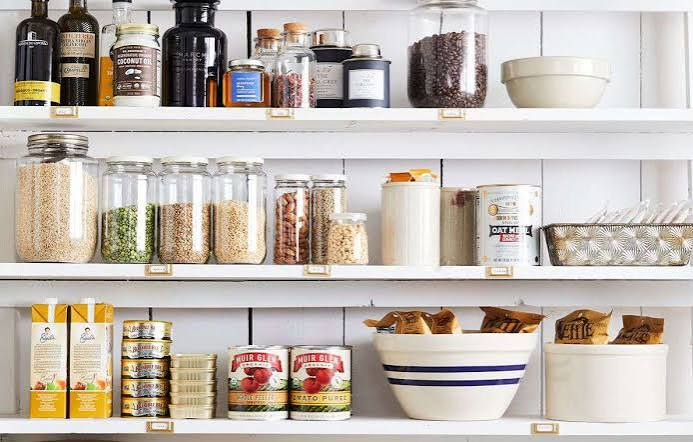
If ultra-processed snacks are sitting right at eye level, you’re going to eat them constantly. Keep them stored in a cabinet that requires a bit of effort to reach, and put nuts, fruit, and whole-grain options front and center.
21. Pay Attention to Portions (Without Scale Obsession)
Even healthy foods can lead to energy imbalance if eaten in massive quantities. Serve yourself a reasonable portion, eat slowly, and wait 10 minutes before deciding if you actually need seconds.
22. Build a Breakfast That Works for You
Forget complex morning routines. Choose a breakfast that fits your energy needs and time constraints—whether that’s oatmeal with fruit, eggs on whole-grain toast, vegetable poha, idli with sambar, or Greek yogurt topped with seeds.
23. Keep an Eye on Added Sugars
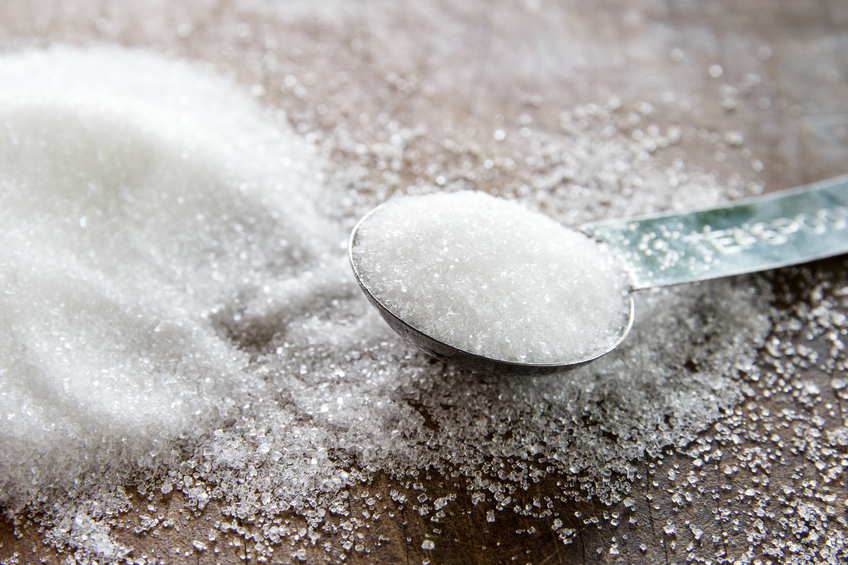
You don’t need to fear the natural sugar in an apple, but be mindful of “free” or added sugars hidden in packaged sauces, flavored yogurts, sodas, and sweet coffees. WHO recommends keeping free sugars below 10% of your total daily calories.
24. Keep It Budget-Friendly
With rising grocery costs worldwide, affordability is a huge factor in real-world nutrition. Base your diet on affordable, nutrient-dense staples: rice, wheat, lentils, canned beans, seasonal vegetables, peanuts, and eggs. Healthy eating that breaks your bank account is not sustainable.
25. Aim for Consistency, Not Perfection
You will eat fast food sometimes. Healthy Eating You will have birthday cake. You will order late-night takeout when you’re stressed. That is called living life. Healthy eating isn’t about maintaining a spotless record—it’s about having reliable habits you comfortably return to 80% of the time.
If 25 Tips Feel Overwhelming, Start Here
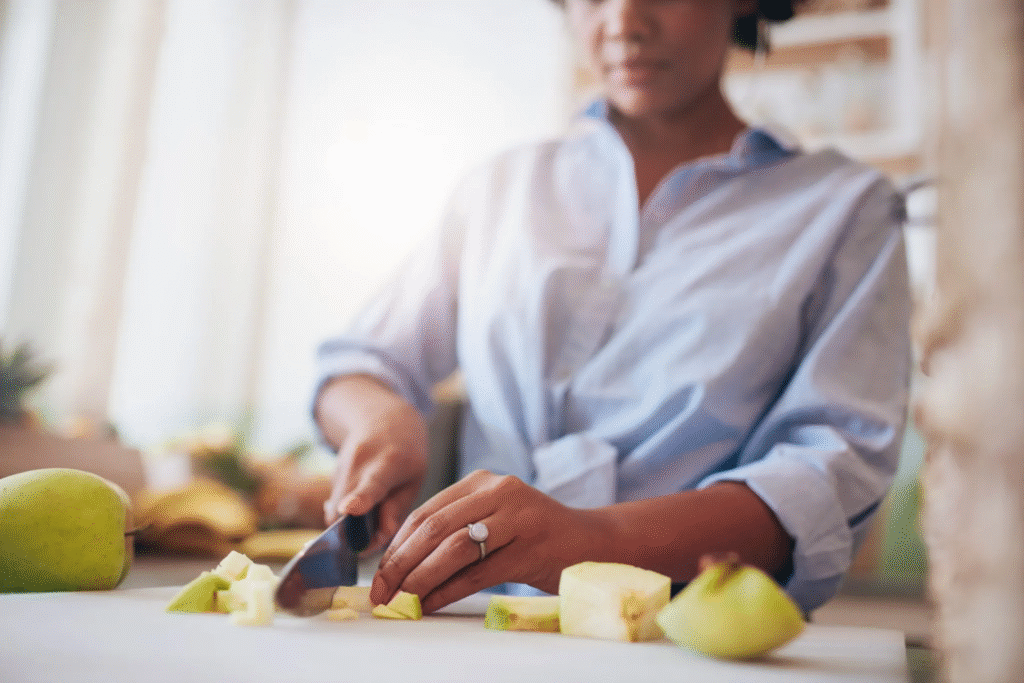
Pick just five to focus on this month:
- Put a vegetable on your plate at lunch and dinner.
- Include a clear protein source with every main meal.
- Choose whole grains and beans more often.
- Drink water as your default beverage.
- Leave room to enjoy your favorite foods without guilt.
Once those feel automatic, pick another. Stop worrying about making every single meal perfect, and just focus on making your next meal a little better.
Frequently Asked Questions
1. What are the best healthy eating habits to start in 2026?
Start with simple habits such as eating more vegetables and fruit, including protein in your meals, choosing whole grains and legumes, drinking more water, and limiting excess added sugar and highly processed foods.
2. Do I need to stop eating carbs to eat healthy?
No. Carbohydrates can be part of a healthy diet. Foods such as rice, oats, potatoes, whole grains, fruits, and legumes can provide important nutrients and energy. Focus on overall food quality and balance rather than eliminating carbs.
3. How can I eat healthy without spending a lot of money?
Build meals around affordable staples such as dal, beans, chickpeas, rice, oats, seasonal vegetables, potatoes, bananas, eggs, curd, and peanuts. You don’t need expensive “health foods” to eat well.
4. What should I eat for a healthy breakfast?
Good options include oats with fruit, vegetable poha, idli with sambar, dalia, eggs with whole-grain toast, besan chilla, or yogurt with fruit and nuts. Choose something that fits your appetite, schedule, and preferences.
5. How can I stay consistent with healthy eating?
Don’t try to change everything at once. Start with two or three realistic habits and build from there. Allow yourself to enjoy restaurant meals, desserts, and favorite foods without feeling guilty, then simply return to your usual routine at the next meal.