
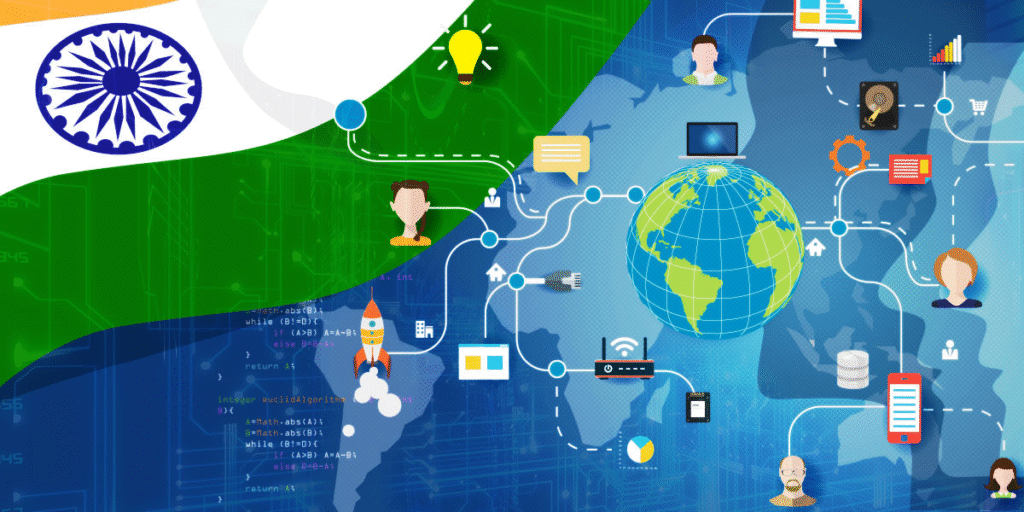
India’s technology story in 2026 is no longer just about having more smartphones, faster internet, or more digital payments.Something much bigger is happening.Technology is increasingly becoming part of how India works, pays, learns, travels, builds businesses, delivers healthcare, manufactures products, and connects with the rest of the world.
Artificial intelligence is moving from simple chatbots toward more practical tools and AI-powered systems. Semiconductor manufacturing and chip design are getting greater attention. 5G is creating a stronger foundation for connected services, while digital public infrastructure continues to shape how millions of Indians access financial and government services.
At the same time, technologies such as quantum computing, robotics, edge AI, cloud computing, cybersecurity, space technology, and physical AI are moving closer to real-world applications.
India’s technology ecosystem is also becoming increasingly focused on building capabilities at home. The India Semiconductor Mission, for example, is designed to strengthen India’s semiconductor and electronics manufacturing and design ecosystem.So, what should you actually watch in 2026?Here are the biggest technology trends shaping India in 2026 and why they matter.
1. Artificial Intelligence Is Becoming India’s Biggest Technology Story
If there’s one technology trend dominating 2026, it’s artificial intelligence.
But AI in India is moving beyond simply asking a chatbot to write an email or summarize a document.
Businesses are exploring AI for customer service, software development, healthcare, education, financial services, agriculture, manufacturing, and government services.
The IndiaAI Mission is also focused on expanding access to computing resources, datasets, AI models, innovation, skills, and responsible AI adoption. Its AI compute initiative is intended to make powerful computing resources more accessible to startups, researchers, MSMEs, students, and other users. (compute.indiaai.gov.in)
Why it matters
AI could increasingly become a normal part of everyday digital services rather than something people consciously think about.
From regional-language assistants to AI-powered customer support, the biggest change may be that AI simply becomes invisible technology working in the background.
2. Agentic AI Could Change How Indians Use Software
We’ve become used to AI that answers questions.
The next step is AI that can take action.
Agentic AI systems are designed to complete tasks rather than simply respond to individual prompts.
Imagine telling an AI assistant:
“Find me the cheapest suitable flight, compare the options, create an itinerary and organize the information.”
Instead of giving you a list of links, an AI agent could potentially handle multiple steps of the process.
Businesses could use similar systems for customer support, sales, research, administration, coding, and workflow automation.
For Indian startups and businesses, this could be particularly interesting because automation can help smaller teams handle tasks that previously required much larger operations.
3. India Is Building a Bigger AI Compute Ecosystem
AI needs enormous computing power.
Training and running advanced AI models requires specialized processors, data centres, storage, networking, and reliable electricity.
That’s why AI infrastructure is becoming almost as important as AI software itself.
IndiaAI’s cloud initiative aims to make AI compute resources available at more affordable rates to researchers, startups, students, MSMEs, and industry. (compute.indiaai.gov.in)
The broader technology conversation is also shifting toward compute capacity as foundational infrastructure for the AI economy. (The Economic Times)
In simple terms:
More AI adoption → more computing demand → more data centres → more demand for chips, energy and connectivity.
That entire chain is becoming an important part of India’s technology future.
4. Indian AI Models and Regional-Language Technology
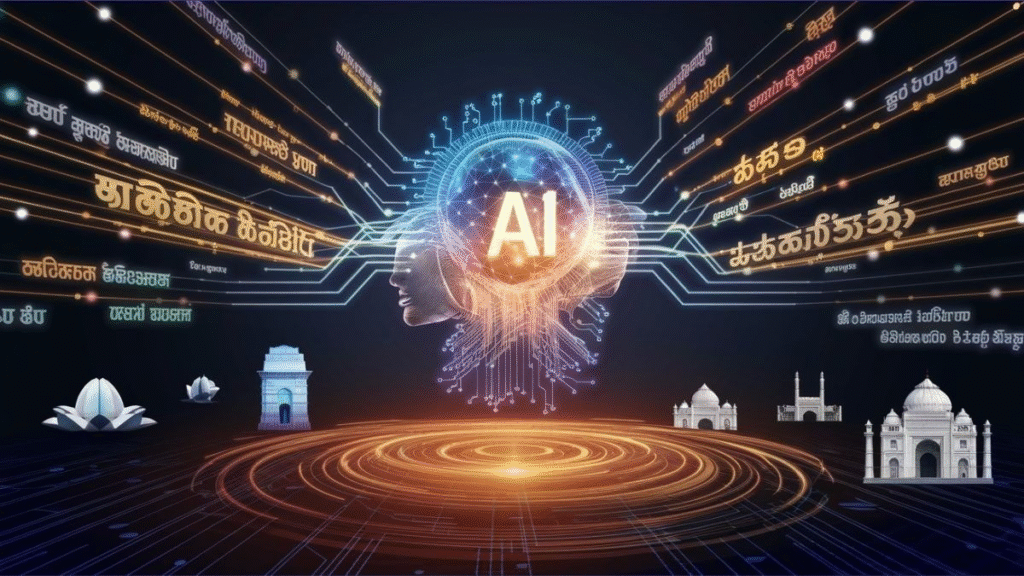
India has a unique AI challenge—and opportunity.
The country isn’t built around one language.
With dozens of major languages and hundreds of languages and dialects, AI systems that work well only in English don’t fully address India’s needs.
That’s why Indian-language AI is becoming an important area to watch.
AI tools capable of understanding and generating Hindi, Tamil, Bengali, Marathi, Telugu, Punjabi, Gujarati, Kannada and other Indian languages could make digital technology more accessible to millions of people.
The IndiaAI Mission has identified indigenous large multimodal models trained on India-specific data as part of its broader AI ecosystem ambitions. (compute.indiaai.gov.in)
This could eventually affect:
- Education
- Healthcare
- Government services
- Banking
- Customer support
- Agriculture
- Search
- Voice assistants
- Content creation
The biggest AI opportunity for India may not simply be building another English-speaking chatbot.
It could be making advanced technology work naturally for India’s enormous linguistic diversity.
5. Semiconductor Manufacturing Is Becoming a National Priority
For years, India has been known primarily for software and IT services.
Now the country is trying to strengthen another part of the technology supply chain:
semiconductors.
Chips are the foundation of smartphones, cars, servers, AI systems, medical devices, industrial equipment, and almost every modern electronic product.
The India Semiconductor Mission aims to build a stronger semiconductor and display ecosystem and position India as a hub for electronics manufacturing and design. (ism.gov.in)
This makes semiconductor technology one of the most important long-term trends to watch in India.
6. AI + Semiconductor Design Could Be a Powerful Combination
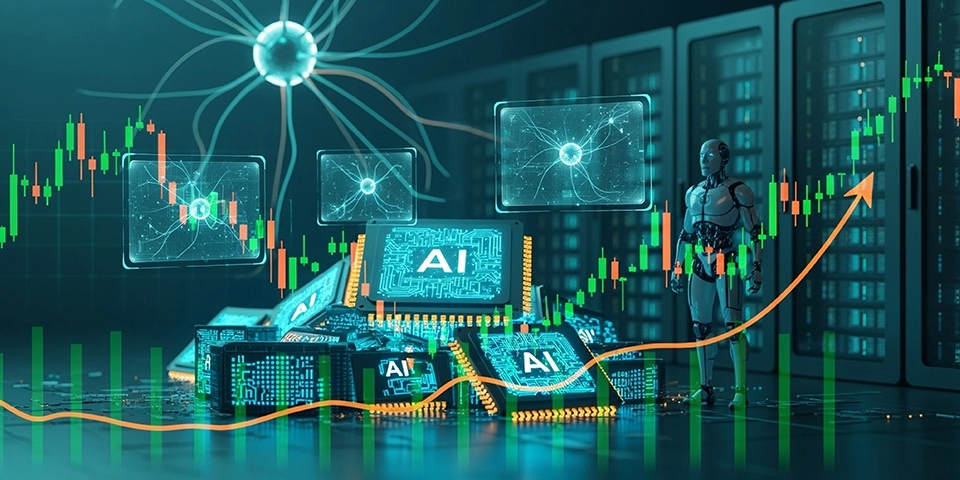
India isn’t only interested in manufacturing chips.
Chip design could become an equally important opportunity.
AI is increasingly being used to help engineers design and optimize semiconductor systems, potentially reducing the time required for certain design processes. (Express Computer)
India already has a large pool of engineers with experience in electronics, embedded systems and chip design.
If those capabilities combine with AI, India could potentially strengthen its position in the global semiconductor design ecosystem.
This is one of the less visible technology trends—but potentially one of the most important.
7. 5G Is Moving From Rollout to Real-World Applications
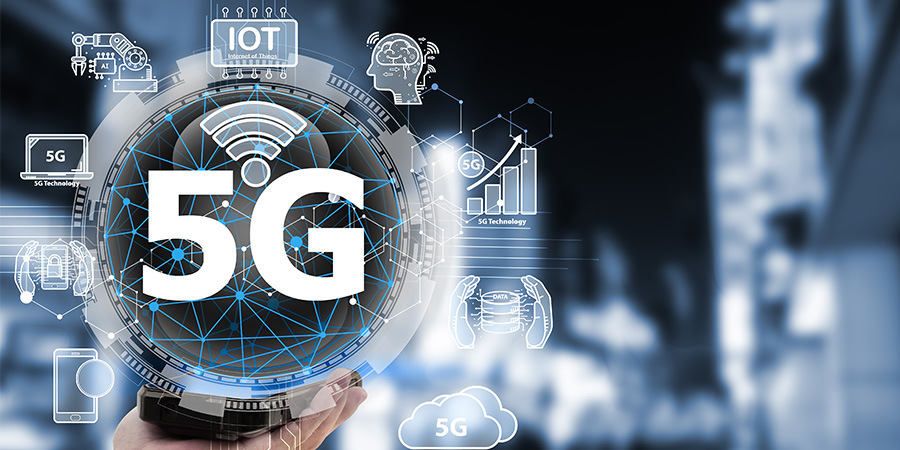
The first phase of 5G was largely about answering one question:
How fast is the network?
The next phase is more interesting.
Businesses are increasingly looking at what 5G can actually enable.
That includes:
- Connected factories
- Smart logistics
- Remote monitoring
- Industrial automation
- Connected vehicles
- Smart infrastructure
- Cloud gaming
- Immersive experiences
- IoT applications
As India’s connectivity infrastructure expands, the real value of 5G may come from applications built on top of the network rather than from faster smartphone downloads alone.
8. Edge AI Technology Will Bring Intelligence Closer to the User
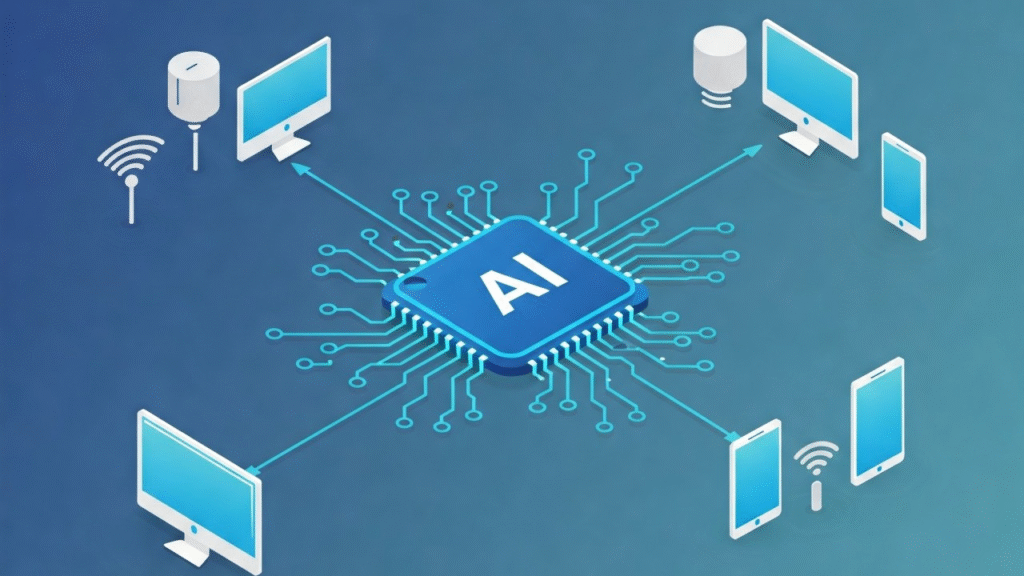
Cloud computing has traditionally meant sending data to centralized servers.
Edge AI takes some of that intelligence closer to where the data is actually generated.
That could mean AI processing directly on:
- Smartphones
- Cameras
- Vehicles
- Factory equipment
- Medical devices
- Sensors
- Retail systems
This can reduce latency and bandwidth requirements and may offer privacy benefits for certain applications.
India’s expanding connectivity and AI adoption make edge intelligence particularly relevant to areas such as manufacturing, transportation and healthcare. (Express Computer)
9. Physical AI and Robotics Are Moving Into the Real World
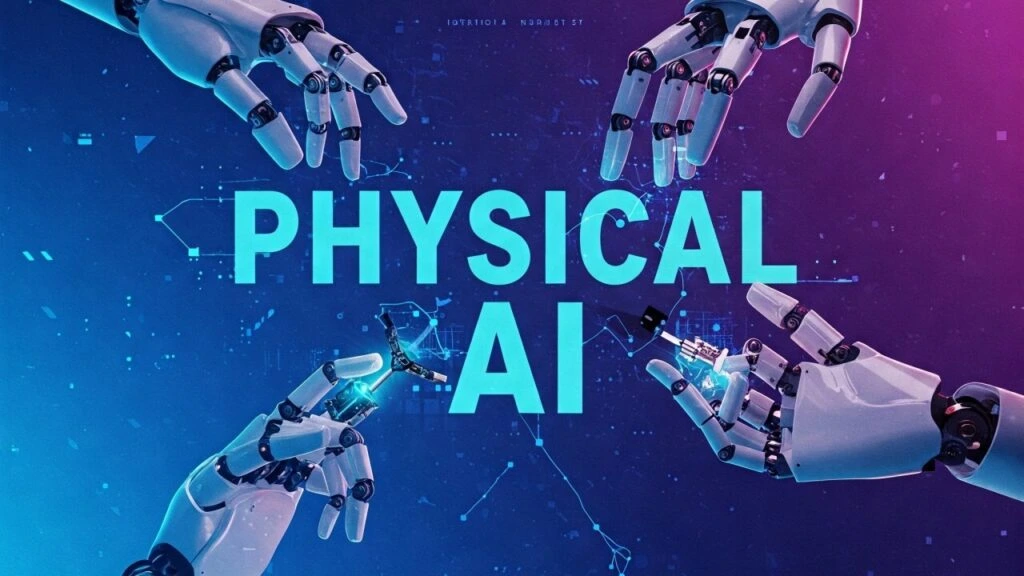
AI doesn’t have to live inside a laptop.
Increasingly, AI is being connected to physical machines.
Think:
AI + robots + sensors + cameras + real-world environments.
This is often described as Physical AI.
Potential applications include manufacturing, warehouses, healthcare, agriculture, logistics, autonomous machines and transportation.
For India, this could become particularly important as businesses look for ways to improve productivity while dealing with increasingly complex operations.
The technology is still developing, but Physical AI is one of the trends worth watching closely in 2026. (Express Computer)
10. Humanoid Robots Are Getting More Attention
Humanoid robots may still sound like something from science fiction.
But they’re becoming a serious area of technology development.
The idea is simple: build robots capable of performing tasks in environments designed for humans.
That could eventually include:
- Warehouses
- Factories
- Hospitals
- Retail
- Hospitality
- Dangerous industrial environments
India’s large manufacturing and services sectors could provide interesting use cases for robotics.
However, widespread adoption will depend on factors such as cost, reliability, safety, infrastructure, and whether robots can genuinely outperform simpler automation.
11. Digital Public Infrastructure Remains One of India’s Biggest Tech Advantages
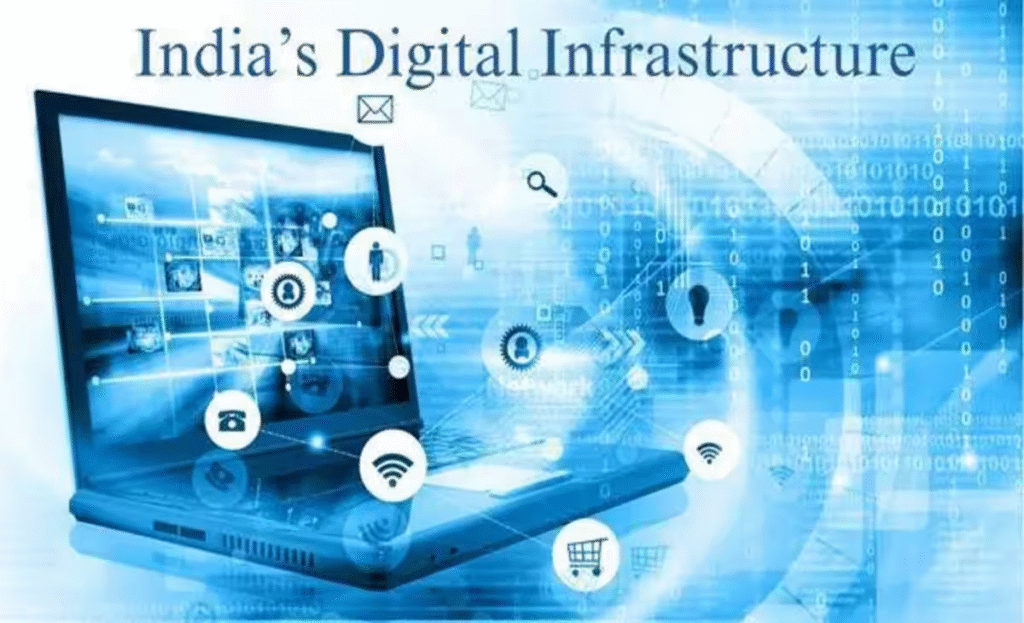
India’s technology transformation isn’t only about futuristic AI.
Some of the country’s most important innovations are already being used every day.
UPI, Aadhaar, DigiLocker and other digital public infrastructure systems have created a foundation for large-scale digital services.
UPI, in particular, has transformed everyday payments by making instant digital transactions simple for consumers and businesses.
India’s broader digital infrastructure has also become an area of international interest, with Indian digital public infrastructure approaches being explored or adopted in other countries. (Express Computer)
The next question is:
What happens when AI is built on top of these digital rails?
That’s where things get particularly interesting.
12. AI-Powered Healthcare Could Expand Access
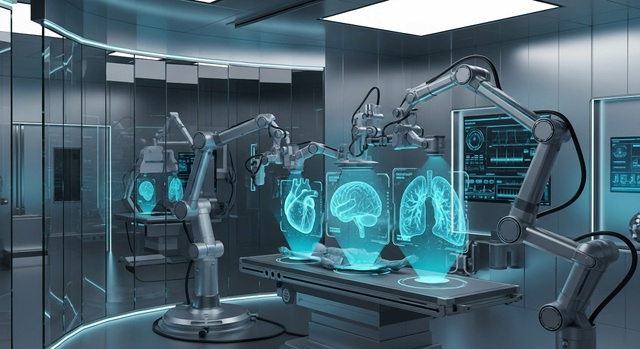
Healthcare is another area where technology could make a major difference.
AI can help with tasks such as:
- Medical imaging
- Early screening
- Patient support
- Documentation
- Drug research
- Health data analysis
- Public-health monitoring
India already has digital health infrastructure that could support wider AI adoption.
Recent industry analysis points to the Ayushman Bharat Digital Mission and other digital health systems as important foundations for AI-powered healthcare. (Express Computer)
The goal isn’t necessarily to replace doctors.
A more realistic future is technology helping healthcare professionals work faster, identify problems earlier, and reach more patients.
13. Fintech Is Becoming More Intelligent
India’s fintech ecosystem has already transformed how people pay, borrow, invest and manage money.
The next stage could involve much more AI.
AI can potentially help financial companies with:
- Fraud detection
- Customer support
- Credit assessment
- Personalized financial services
- Risk management
- Investment analysis
- Financial education
As digital payments become increasingly normal, the competition may shift from simply offering digital transactions to providing smarter financial experiences.
14. Cybersecurity Will Become More Important as AI Grows
Every new technology creates new opportunities—and new risks.
As businesses adopt AI, cloud services, connected devices and digital infrastructure, cybersecurity becomes even more important.
Companies need to protect:
- Customer information
- Financial data
- AI models
- Cloud systems
- Connected devices
- Digital identities
- Business infrastructure
AI itself can be used by attackers as well as defenders.
That means India’s cybersecurity industry will likely become increasingly important as the country’s digital economy expands.
15. Quantum Computing Is Moving From Research Toward Strategy

Quantum computing isn’t going to replace your laptop in 2026.
But India is investing in quantum technology as a strategic area of research.
The National Quantum Mission is aimed at developing quantum technologies across areas such as computing, communication, sensing and materials.
One reason quantum technology matters is cybersecurity.
Future quantum computers could eventually threaten some encryption methods used today, which is why organizations are beginning to think about post-quantum cryptography. Recent analysis has urged Indian enterprises to start preparing for this transition rather than waiting until quantum systems become powerful enough to create an immediate threat.
For consumers, this may seem distant.
For banks, governments, technology companies and large enterprises, it isn’t.
16. Cloud Computing Is Evolving Into AI Infrastructure
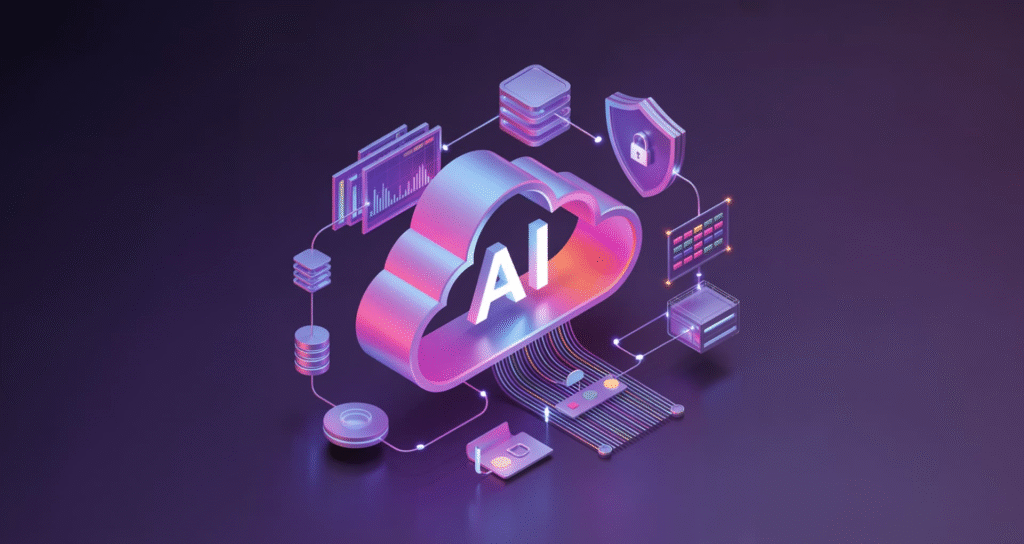
Cloud computing isn’t going away.
Instead, it’s becoming increasingly connected to AI.
Modern businesses need cloud infrastructure for:
- AI workloads
- Data storage
- Software development
- Analytics
- Cybersecurity
- Collaboration
- Machine learning
- Enterprise applications
India’s growing AI ecosystem means demand for cloud infrastructure and specialized computing is likely to continue increasing.
The important shift is that cloud is no longer simply about storing files and running websites.
It’s becoming the foundation underneath modern AI-powered businesses.
17. Data Centres Are Becoming a Major Technology Story
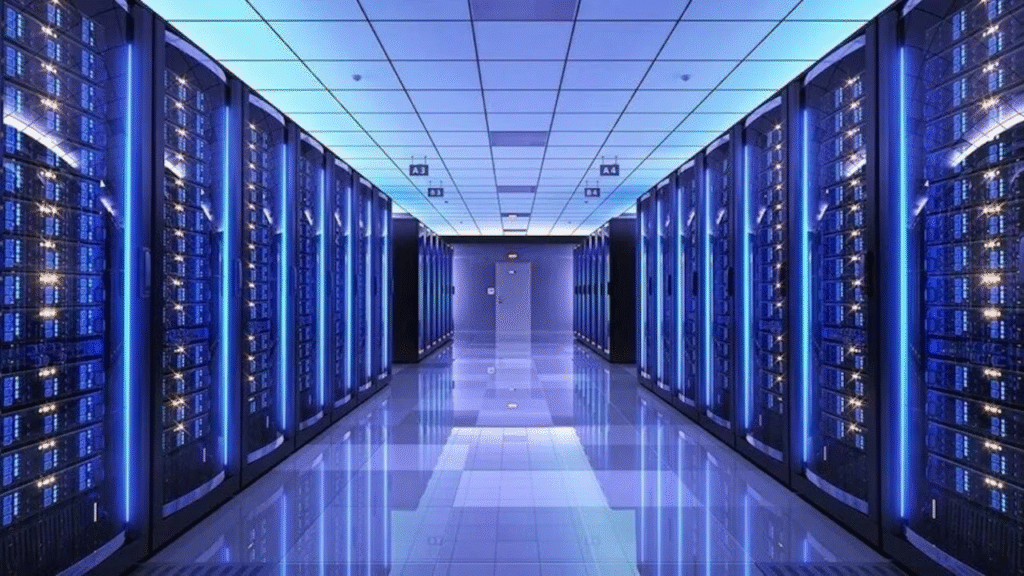
Behind every AI assistant, streaming service, cloud application and digital platform is physical infrastructure.
Data centres.
As AI workloads become more demanding, India needs more computing capacity, networking infrastructure and data-centre facilities.
This creates another important technology conversation around:
- Electricity
- Cooling
- Water usage
- Renewable energy
- Land
- Network connectivity
- Sustainability
Recent discussion around India’s growing AI and data-centre ambitions highlights the need to balance technological growth with environmental and social considerations. (The Economic Times)
The future of AI isn’t just about software.
It’s also about where the machines run and how much energy they consume.
18. India’s Space Technology Ecosystem Is Expanding
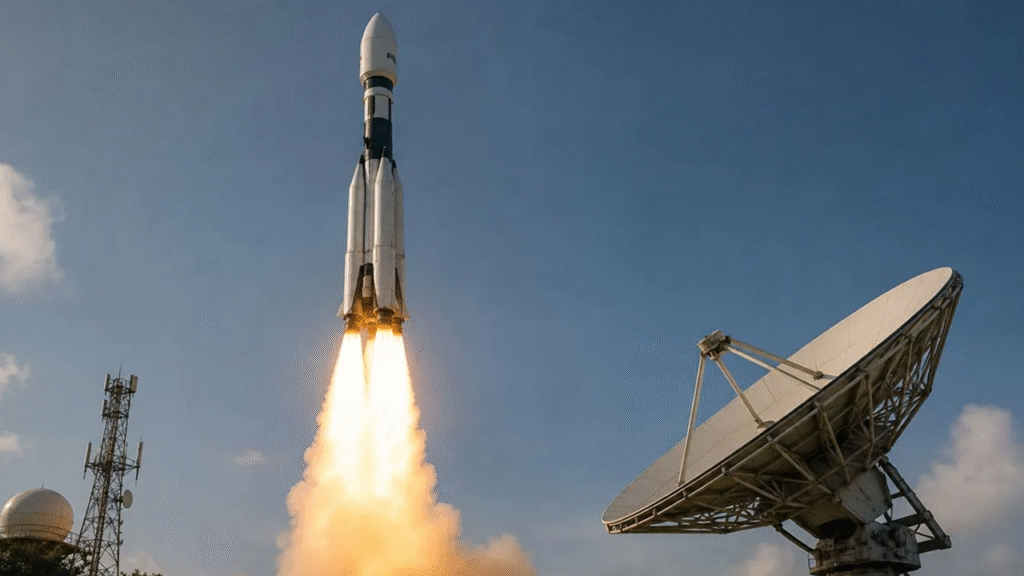
India’s space sector is becoming increasingly commercial.
Alongside traditional government-led missions, private companies are working on areas such as:
- Launch vehicles
- Satellites
- Earth observation
- Communication
- Space data
- Navigation
- Space manufacturing
For businesses, satellite data could become increasingly useful in agriculture, logistics, climate monitoring, mapping and infrastructure planning.
The bigger story is that space technology is gradually moving from being primarily a government domain toward a broader commercial technology ecosystem.
19. Technology in Agriculture Is Becoming More Practical
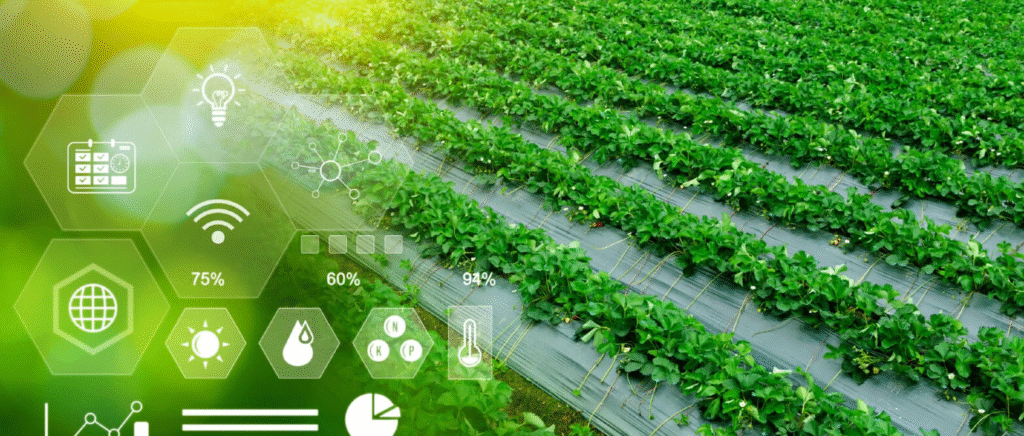
Agriculture remains hugely important to India, making agricultural technology a major area of opportunity.
AI, drones, sensors, satellite imagery and data analytics can help farmers and agricultural organizations with:
- Crop monitoring
- Weather forecasting
- Pest detection
- Irrigation management
- Soil analysis
- Yield prediction
The challenge is making these technologies affordable, reliable and genuinely useful at the farm level.
The most successful agricultural technology won’t necessarily be the most complicated.
It will be the technology that solves a real problem without making farmers’ lives more complicated.
20. EV Technology and Smart Mobility Will Keep Growing
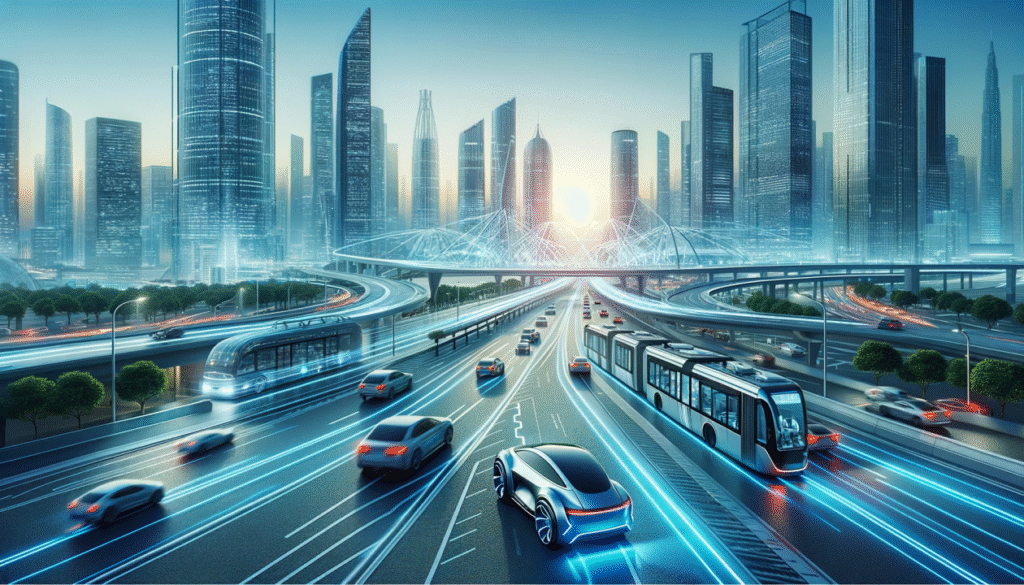
Electric vehicles are changing India’s automotive industry.
The technology conversation is moving beyond simply asking whether an EV can replace a petrol or diesel vehicle.
Now the focus includes:
- Battery technology
- Charging infrastructure
- Battery management
- Connected vehicles
- Vehicle software
- Autonomous driving technology
- Energy storage
As EV adoption grows, India’s automotive industry will increasingly look like a combination of mechanical engineering, electronics, software and energy technology.
21. Smart Manufacturing and Industry 4.0
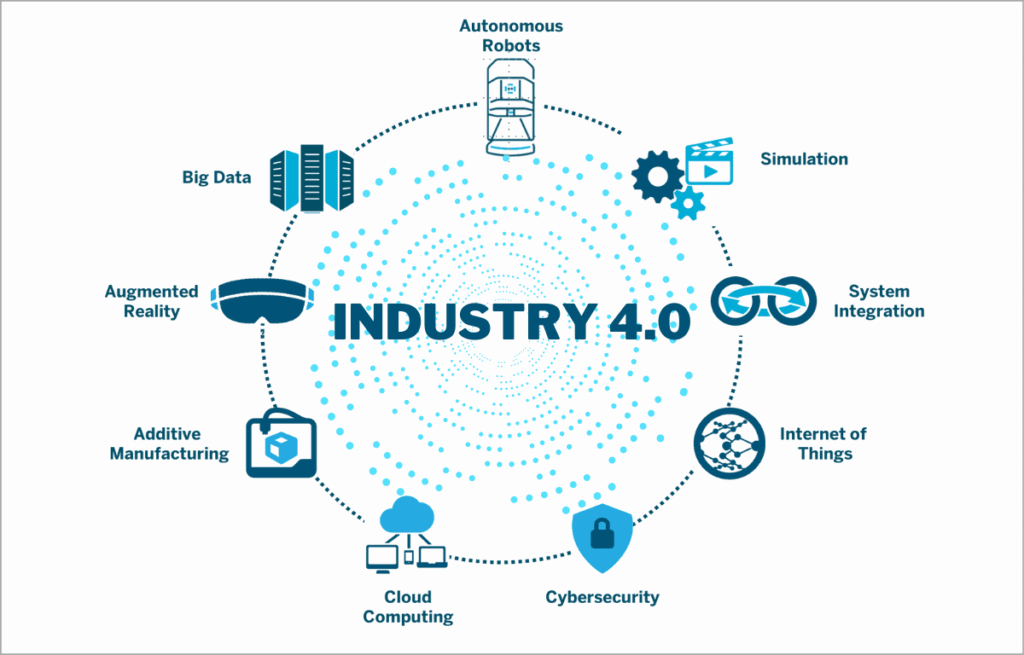
Indian manufacturing is increasingly adopting technologies such as:
- Industrial IoT
- Robotics
- Computer vision
- Digital twins
- Predictive maintenance
- AI-powered quality control
- Automated warehouses
This is often grouped under Industry 4.0.
For manufacturers, the goal isn’t simply to make factories look futuristic.
It’s about reducing downtime, improving quality, lowering waste and making production more efficient.
22. Deep Tech Startups Are Gaining Importance
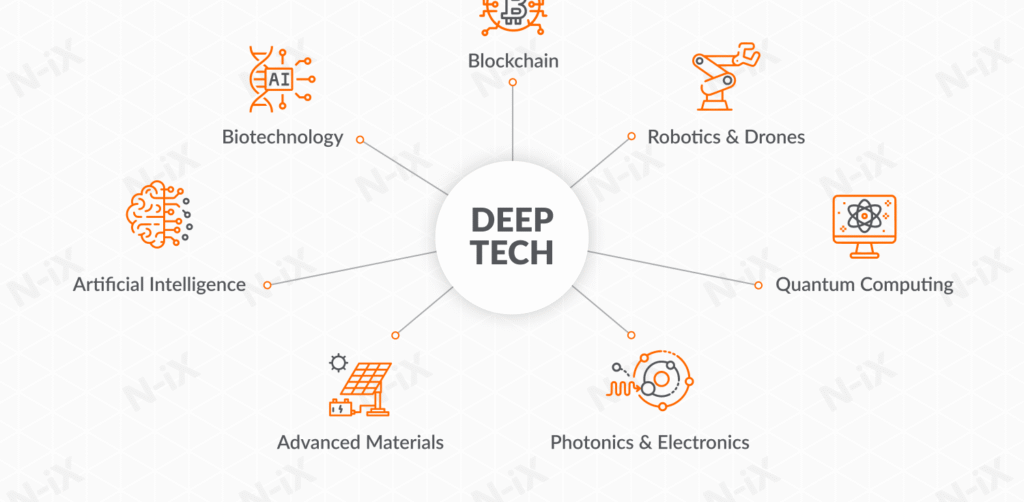
India’s startup ecosystem has already produced major companies in fintech, e-commerce, food delivery and consumer technology.
The next wave could increasingly come from deep tech.
This includes startups working on:
- Semiconductors
- AI
- Robotics
- Space
- Quantum computing
- Biotechnology
- Advanced materials
- Defence technology
Deep-tech companies usually take longer to build than consumer apps, but they can create technologies with much larger strategic importance.
India’s growing focus on AI, semiconductors, space and advanced technology is creating a stronger environment for these startups.
23. AI Skills Will Become More Valuable Across Industries
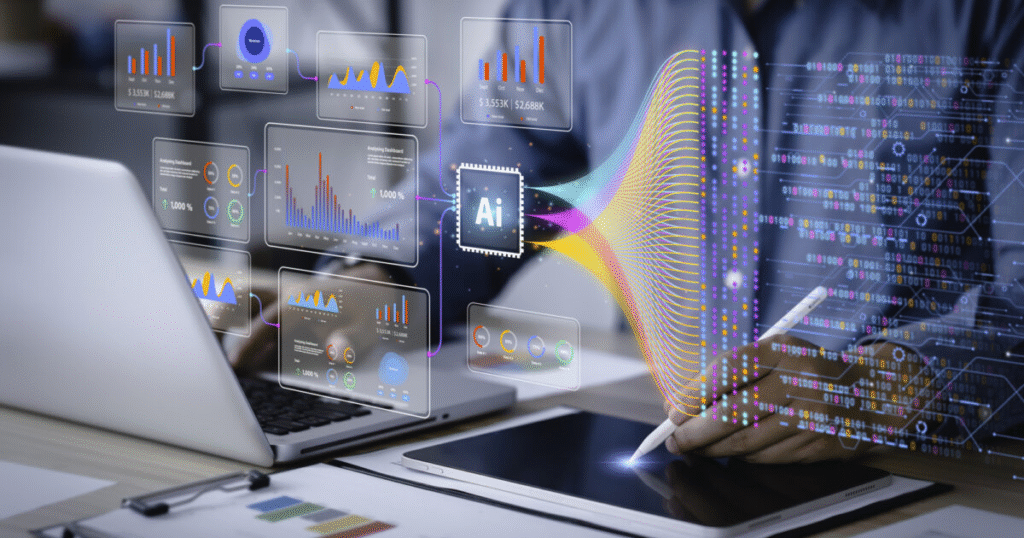
You don’t necessarily need to become an AI researcher to benefit from the AI economy.
In 2026, AI skills are increasingly relevant to people working in:
- Marketing
- Finance
- Design
- Software
- Education
- Healthcare
- Sales
- Journalism
- Customer service
- Business management
The most valuable workers may not simply be those who know how to use AI.
They may be people who know how to combine AI with their existing professional expertise.
That’s an important distinction.
24. Responsible AI Will Matter More
As AI becomes more powerful, questions around trust become harder to ignore.
Who is responsible when an AI system makes a mistake?
How should personal data be protected?
A How do we identify AI-generated misinformation?
How can businesses make sure AI systems don’t produce unfair outcomes?
These questions are becoming increasingly relevant as India expands AI adoption.
The IndiaAI ecosystem explicitly emphasizes responsible and inclusive AI development, and its 2026 AI Impact initiatives have placed responsibility and human-centric AI among their themes. (AIPledge)
In other words, India’s AI future won’t be determined only by how powerful the technology becomes.
It will also depend on how much people trust it.
25. Technology Convergence Could Define India’s Next Decade
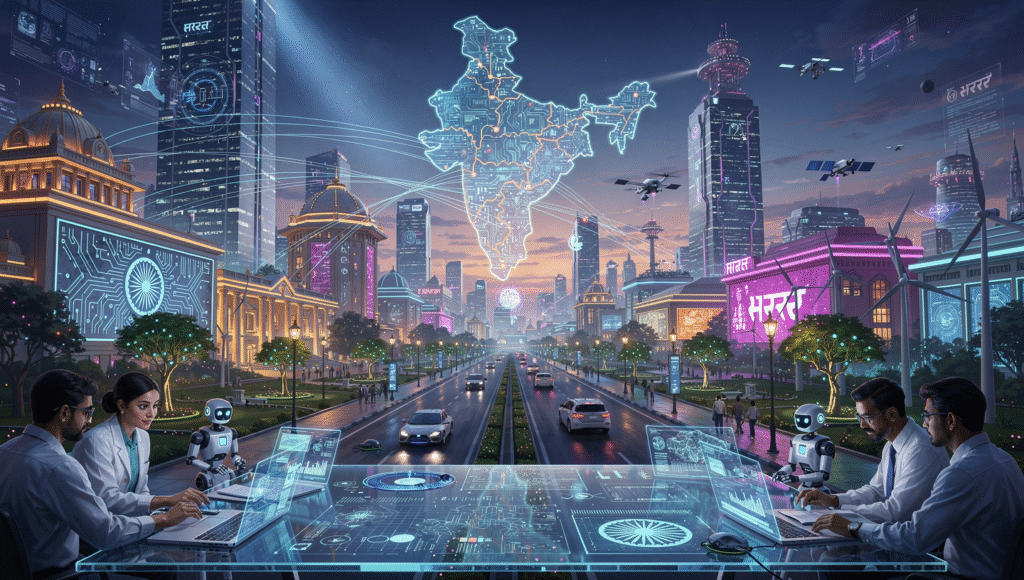
Perhaps the biggest trend isn’t one individual technology.
It’s the way different technologies are beginning to work together.
Imagine:
AI + 5G + robotics + semiconductors + cloud + sensors + digital infrastructure.
A smart factory might use AI to analyze production data, edge computing to make decisions locally, robotics to perform physical tasks, 5G to connect equipment, and semiconductor technology to power the machines.
That’s technology convergence.
And it could become one of the defining characteristics of India’s technology landscape over the next decade.
What Technology Will Shape India Most in 2026?
If you had to narrow everything down, these are the trends I’d keep the closest eye on:
| Technology | Why It Matters |
|---|---|
| Artificial Intelligence | Transforming businesses and everyday digital services |
| Agentic AI | Automating multi-step tasks |
| AI Compute | Providing infrastructure for India’s AI growth |
| Semiconductors | Building domestic electronics and chip capabilities |
| 5G | Supporting connected devices and industrial applications |
| Edge AI | Bringing intelligence closer to devices |
| Robotics | Automating physical tasks |
| Digital Public Infrastructure | Supporting large-scale digital services |
| Quantum Technology | Preparing for next-generation computing and security |
| Cybersecurity | Protecting India’s expanding digital economy |
| Space Technology | Creating new commercial and industrial applications |
| EV Technology | Reshaping transportation and energy use |
Frequently Asked Questions
1. What are the biggest technology trends in India in 2026?
The biggest technology trends in India in 2026 include AI, agentic AI, 5G, semiconductors, robotics, cloud computing, cybersecurity, quantum technology, EVs, space technology, and digital public infrastructure.
2. Is AI the biggest technology trend in India in 2026?
Yes. Artificial intelligence is one of India’s most important technology trends in 2026, with applications expanding across healthcare, finance, education, manufacturing, agriculture, customer service, and software development.
3. What is the future of AI in India?
AI is expected to become increasingly integrated into everyday services and businesses. Indian-language AI, AI agents, enterprise automation, healthcare AI, and AI infrastructure are some of the areas to watch.
4. Is India becoming a semiconductor manufacturing hub?
India is actively building its semiconductor ecosystem, with initiatives focused on chip manufacturing, packaging, testing, electronics production, and semiconductor design. This is expected to remain an important technology priority.
5. What role will 5G play in India’s technology future?
Beyond faster mobile internet, 5G can support connected factories, smart infrastructure, IoT devices, logistics, connected vehicles, and other industrial applications.