
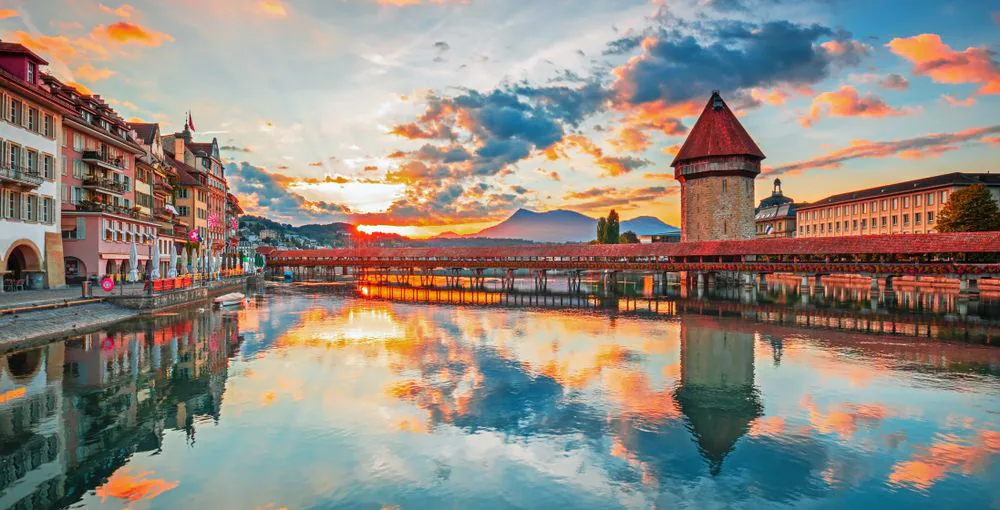
Switzerland has a funny way of making you forget where you were supposed to be going.You might leave your hotel in the morning thinking you’ll spend the day sightseeing, then find yourself sitting beside a lake for an hour because the view is too good to walk away from. Later, you’re on a train winding through green valleys with snow-dusted mountains in the distance. By evening, you’re wandering through an old town with a coffee in your hand.
That’s part of what makes Switzerland so enjoyable.Yes, the Alps are a huge reason people come here. The mountains are spectacular, the lakes are beautiful, and the villages look almost unreal. But Switzerland isn’t just about taking a few photos in front of a famous mountain.
It’s about the little experiences in between.A slow breakfast in a mountain village. A train ride where you spend more time looking out of the window than at your phone. A lakeside walk after dinner. A warm bowl of fondue when the weather turns cool. Getting slightly lost in an old town and finding a small café you weren’t looking for.
And then there’s the tricky part: deciding where to go.Switzerland may be relatively compact, but its regions feel surprisingly different. Zurich has a lively city atmosphere, Lucerne combines history with a beautiful lake, Interlaken is surrounded by outdoor adventures, Zermatt is closely tied to the Matterhorn, and places such as Lauterbrunnen and Grindelwald put you right among the mountains.
If you’re planning your first Switzerland trip—or returning because one visit wasn’t enough—this guide will help you figure out where to go, what to see, when to visit, and how to make the trip feel enjoyable rather than rushed.
Best Places to Visit in Switzerland
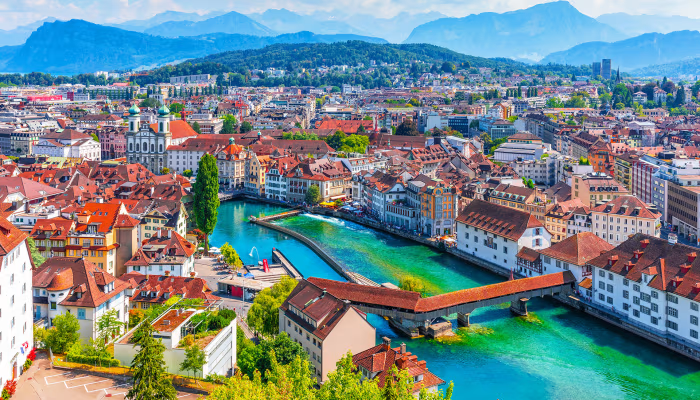
There isn’t a single Switzerland itinerary that works for everyone.
Maybe you’ve been dreaming about mountain views. Maybe you’re more interested in historic streets, good food and lakeside caffs. Or perhaps you want a mixture of everything.
That’s why it’s worth choosing destinations based on the kind of trip you actually enjoy.
| Destination | What Makes It Special | Best For |
|---|---|---|
| Zurich | Old town, shopping, culture and Lake Zurich | City breaks |
| Lucerne | Lake views, historic streets and nearby mountains | First-time visitors |
| Interlaken | Alpine scenery and outdoor activities | Adventure trips |
| Zermatt | Matterhorn, hiking and mountain experiences | Mountain lovers |
| Geneva | Lake Geneva, museums and international atmosphere | Culture and city travel |
| Bern | Medieval architecture and Swiss heritage | History lovers |
| Lauterbrunnen | Waterfalls, cliffs and dramatic valley scenery | Nature and photography |
| Grindelwald | Mountain views, hiking and outdoor experiences | Families and hikers |
| Montreux | Lake Geneva, waterfront scenery and relaxed atmosphere | Slow travel |
| St. Moritz | Alpine scenery, winter sports and upscale experiences | Skiing and luxury travel |
1. Lucerne: The Kind of Place That Makes You Fall for Switzerland
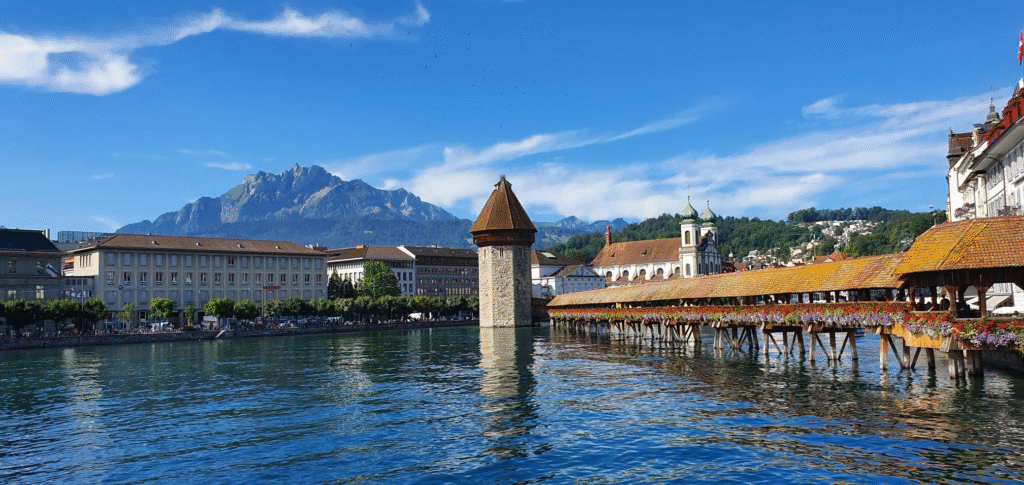
Lucerne is a great introduction to Switzerland because it gives you a little bit of everything.
There’s a beautiful lake, mountains in the distance, an attractive old town and plenty of places where you can simply walk around without having a strict plan.
The famous Chapel Bridge, or Kapellbrücke, is usually one of the first sights visitors notice. The historic wooden bridge stretches across the water and has become one of the city’s most recognizable landmarks.
Take the photo, of course. But then keep walking.
Lucerne is much more enjoyable when you give yourself time to explore beyond the obvious sights. Wander through the old streets, look at the painted façades, stop at a café and take a walk beside the lake.
The city is also a convenient starting point for mountain excursions, which makes it particularly useful if you want both city time and Alpine scenery during the same trip.
2. Interlaken: Where the Mountains Take Center Stage
If your mental picture of Switzerland involves huge mountains, clear lakes and outdoor adventures, Interlaken will probably feel familiar the moment you arrive.
The town sits between Lake Thun and Lake Brienz, with mountains surrounding the area.
There’s plenty here for adventurous travelers. Depending on the season and local conditions, you can find opportunities for hiking, paragliding, rafting and other outdoor activities.
But Interlaken doesn’t require an adrenaline-filled itinerary.
You can have a perfectly good day just walking around town, finding a scenic viewpoint and enjoying the landscape.
One of the biggest advantages of staying here is its location. Interlaken can be used as a base for exploring nearby destinations such as Lauterbrunnen and Grindelwald, so you can see several different sides of the Bernese Oberland without constantly changing hotels.
3. Zermatt: The Matterhorn Is the Star
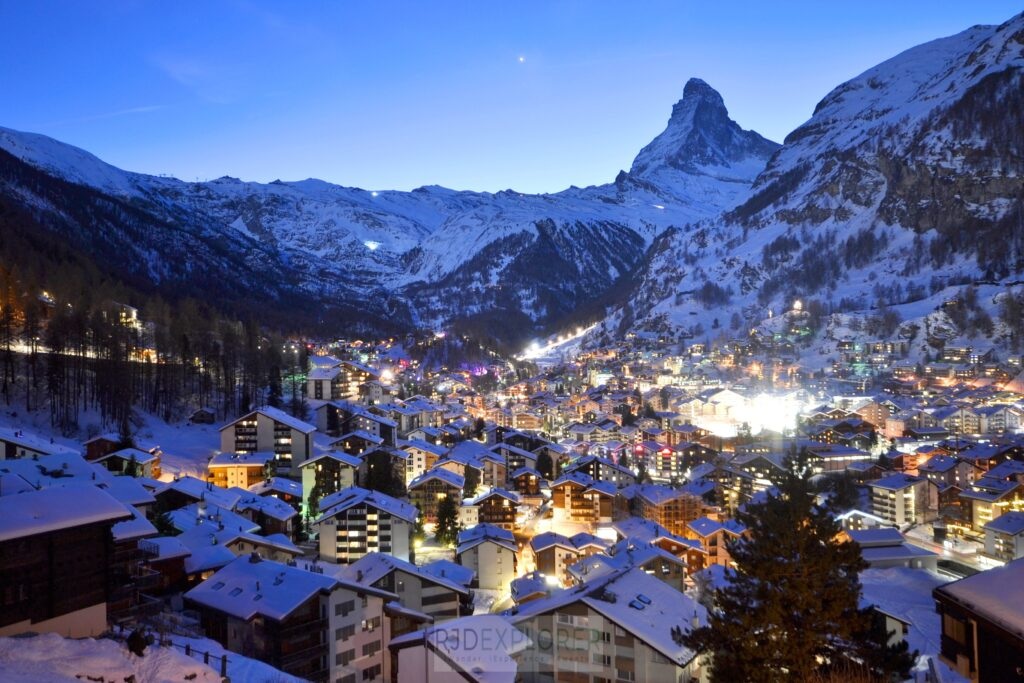
Some Swiss destinations need very little introduction.
Zermatt is one of them.
The Matterhorn dominates the landscape, and seeing that distinctive mountain in person is one of those travel moments that photographs rarely capture properly.
Zermatt attracts hikers, skiers and other outdoor enthusiasts, but you don’t have to be an expert adventurer to enjoy the area.
Mountain railways and lifts provide access to higher viewpoints, giving visitors different ways to experience the scenery.
And don’t overlook the village itself.
Take your time walking through the streets, notice the traditional buildings and look back toward the mountains from different spots. The view changes as the light moves across the landscape.
If you’re hoping to photograph the Matterhorn, keep an eye on the forecast. A clear morning can look completely different from a cloudy afternoon.
4. Lauterbrunnen: A Valley That Feels Almost Unreal
Lauterbrunnen is one of those places where you may find yourself stopping every few minutes just to look around.
The village sits in a dramatic valley framed by steep cliffs, green slopes and waterfalls.
Instead of rushing through it, slow down.
Walk along the valley, listen to the water, look toward the cliffs and take in how enormous the surrounding landscape feels.
The area also connects well with other destinations in the region, making Lauterbrunnen easy to include in a larger mountain itinerary.
For photographers, it’s especially appealing. You can find wide landscape views, waterfalls, mountain villages and plenty of natural framing without having to search too hard.
5. Grindelwald: The Switzerland You Picture in Your Head
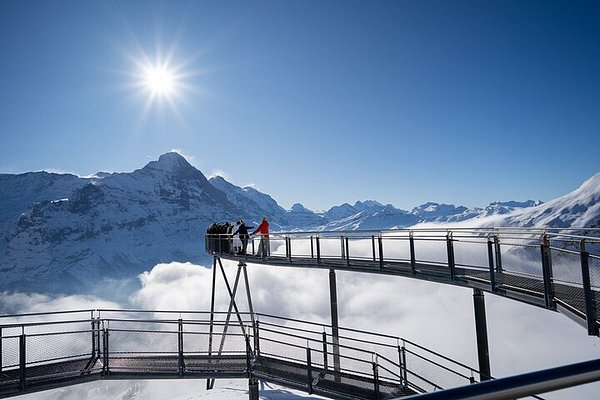
Grindelwald looks like it was designed for a travel brochure.
Green meadows, wooden chalets, mountain peaks and walking trails come together to create that classic Swiss landscape people often imagine before their first visit.
During the warmer months, hiking and sightseeing are popular. When winter arrives, the same landscape takes on a completely different personality beneath the snow.
There are also cable cars and mountain attractions for people who want to enjoy the views without spending every day on a long trail.
Grindelwald is a particularly good choice if you’d like to stay somewhere where the mountains are part of the scenery from breakfast until dinner.
6. Zurich: There’s More Here Than Banks
Zurich is often described as Switzerland’s financial center, which is true, but it doesn’t really tell you what the city feels like.
The old town has narrow streets, historic buildings, caffs, shops and plenty of small corners worth exploring.
Then there’s Lake Zurich.
On a pleasant day, walking beside the water can be one of the easiest ways to slow down after a busy morning of sightseeing.
Zurich also makes a practical starting or finishing point for many Switzerland trips because of its transportation connections.
One piece of advice: don’t plan every minute.
Leave yourself a little room to wander. You might stumble across a café, courtyard or quiet street that becomes one of your favorite memories from the city.
7. Geneva: A More International Side of Switzerland
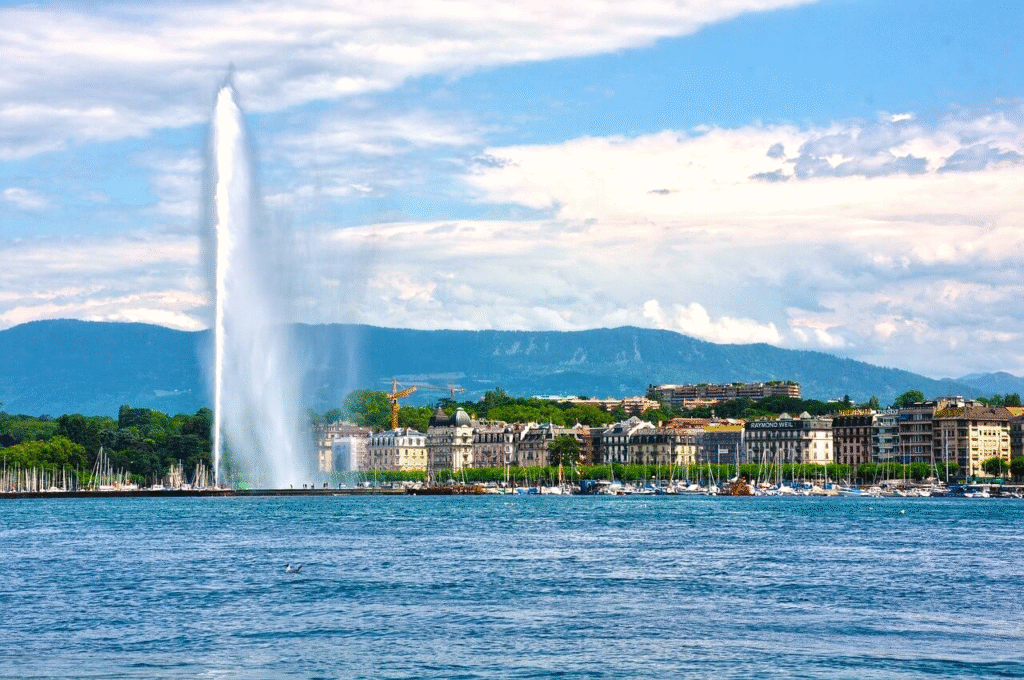
Geneva feels different from the Alpine villages.
Located beside Lake Geneva, the city has an international character, with museums, restaurants, cultural attractions, shops and historic areas spread throughout the city.
The lakefront is an easy place to appreciate Geneva’s setting. On a clear day, the combination of water, city buildings and mountains in the distance is beautiful.
Then head toward the old town when you want a change of scenery.
The narrow streets and historic architecture give you a more traditional side of Geneva and are perfect for exploring on foot.
If you have several days, Geneva can also be combined with other destinations around Lake Geneva.
8. Bern: Take Your Time Here
Bern is Switzerland’s capital, but it doesn’t feel overwhelmingly busy.
The historic center is the main attraction, with medieval buildings, covered arcades, fountains and winding streets.
It’s a city that rewards walking.
Rather than creating a checklist of ten places to see before lunch, give yourself time to explore. Grab a coffee. Look at the architecture. Browse a shop. Sit somewhere for a few minutes and watch everyday life happening around you.
Bern is also a nice counterbalance to a mountain-heavy itinerary. After a few days of dramatic landscapes and outdoor activities, a slower day surrounded by history and architecture can be a welcome change.
9. Montreux: Take the Slow Route
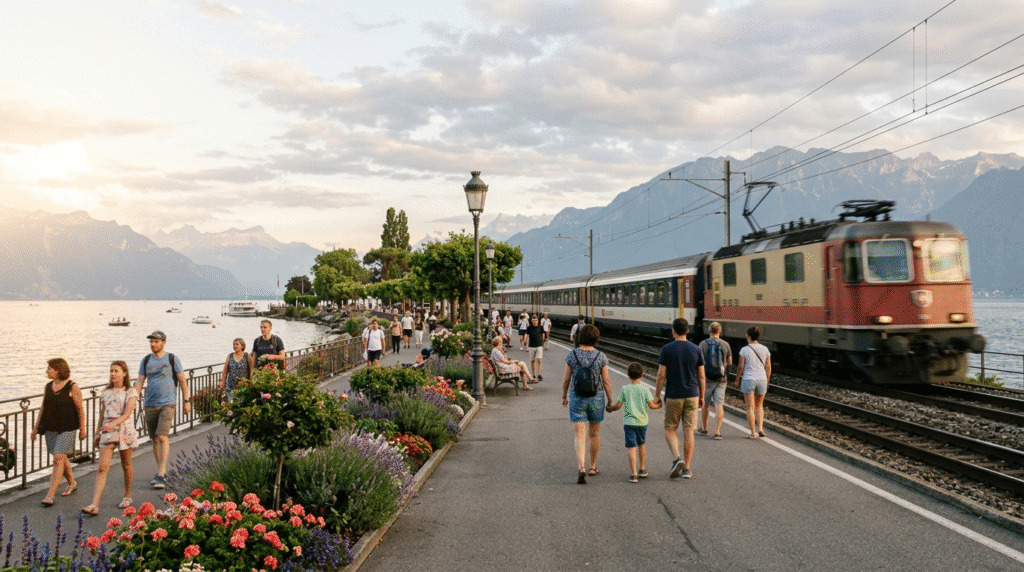
Montreux sits along Lake Geneva and has a more relaxed feel than many of Switzerland’s mountain destinations.
The lakefront is the obvious place to start. Mountains rise beyond the water, creating a beautiful backdrop for a walk.
There’s no pressure to fill the day with activities.
Walk beside the lake. Stop for lunch. Explore nearby sights. Sit somewhere with a view.
Montreux works particularly well for travelers who enjoy scenery but also appreciate having a slower day in the middle of a busy itinerary.
The Best Switzerland Travel Experiences
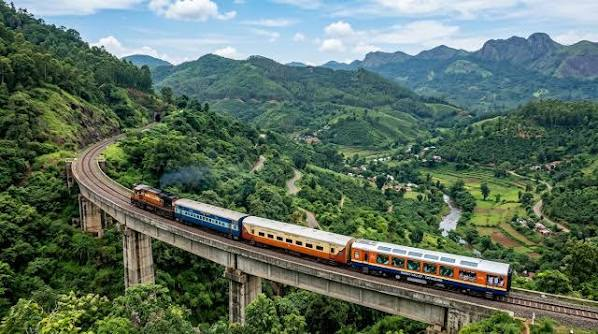
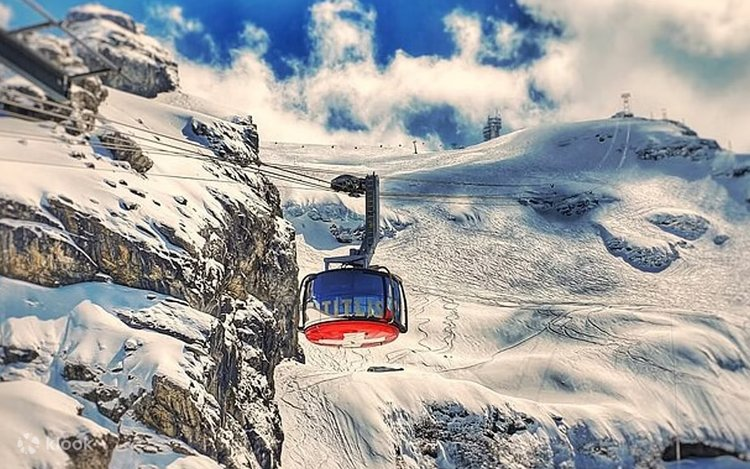
The destination names may fill your itinerary, but the experiences between them are what you’ll probably remember.
Take a Scenic Train Journey
Train travel is one of the pleasures of visiting Switzerland.
The window becomes part of the sightseeing experience.
One minute you’re passing a lake. Then the landscape changes to forests, villages, green valleys and mountains.
And that’s the nice thing about Swiss train journeys: you can actually enjoy the journey rather than treating it as dead time between two destinations.
Keep your camera nearby, but don’t spend the entire ride trying to capture every view.
Some landscapes are better enjoyed without a screen in front of you.
Ride a Mountain Railway or Cable Car
You don’t have to be a serious hiker to experience Switzerland from above.
Mountain railways, gondolas and cable cars provide access to higher viewpoints and scenic areas.
This can be especially useful for families, older travelers or anyone who wants spectacular views without committing to a demanding hike.
Just check weather conditions and operating schedules before setting out. Mountain weather has a habit of changing quickly.
Spend Time Beside a Lake
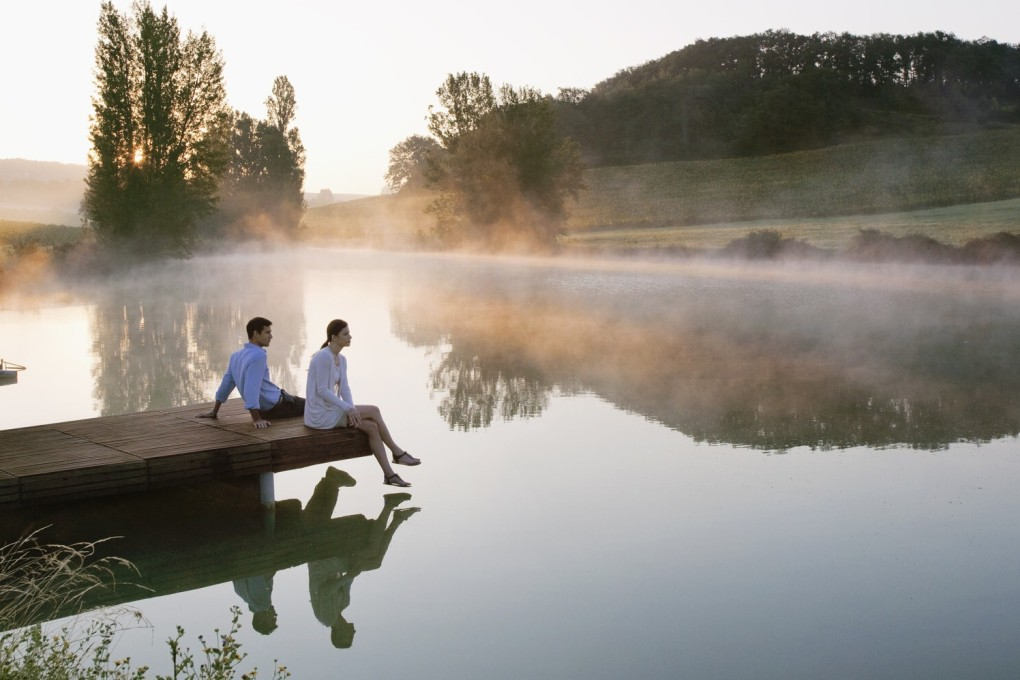
Switzerland’s lakes deserve more than a quick photo and a tick on your itinerary.
Lake Lucerne, Lake Geneva, Lake Zurich, Lake Thun and Lake Brienz all offer something a little different.
Take a boat if there’s one available for your route. Walk along the shore. Have lunch overlooking the water. Or simply sit down and enjoy the view.
Travel doesn’t always have to involve doing something.
Try More Than Just Fondue
Swiss food is another part of the travel experience.
Fondue and raclette are obvious choices, particularly during cooler weather, while rösti is another classic worth trying.
But don’t stop with the dishes everyone talks about.
Walk into a bakery in the morning. Try a local pastry. Have coffee at a neighborhood café. Visit a market if you happen to find one.
And yes, leave some room for Swiss chocolate.
You won’t regret it.
Spend Time in a Mountain Village
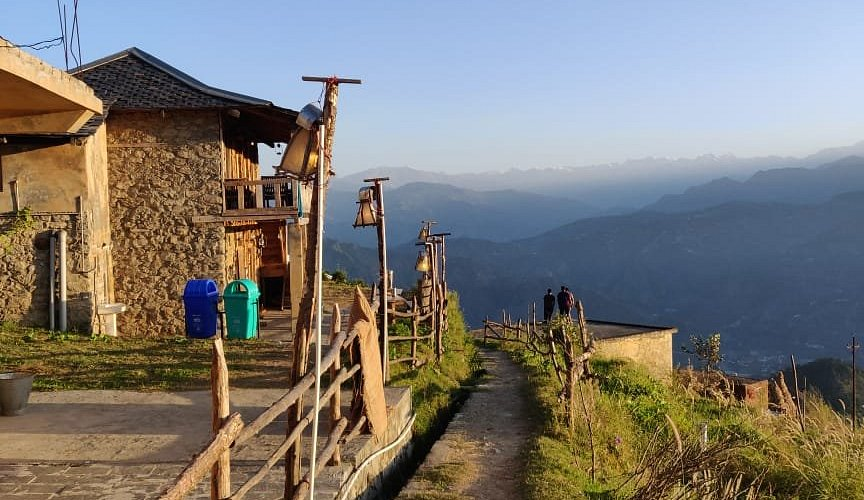
The cities may have the museums, restaurants and major attractions, but Switzerland’s villages offer a different kind of charm.
A small village surrounded by green hills or dramatic peaks can feel incredibly peaceful.
Walk around without a checklist.
Notice the houses. Look at the mountains. Sit outside with a drink.
Those quiet moments can end up being just as memorable as the big sightseeing stops.
Best Time to Visit Switzerland
Switzerland changes quite a bit throughout the year.
The right season depends on what you want from the trip.
| Season | What You Can Expect | Works Well For |
|---|---|---|
| Spring | Fresh greenery and changing mountain conditions | Nature and sightseeing |
| Summer | Longer days, hiking and outdoor activities | Exploring and hiking |
| Autumn | Cooler weather and changing foliage | Photography and scenic travel |
| Winter | Snow, skiing and festive Alpine scenery | Ski trips and winter escapes |
Keep in mind that the mountains have their own weather patterns. A sunny city day doesn’t guarantee clear conditions at a higher elevation.
If a mountain viewpoint or hiking route is an important part of your plans, check conditions before leaving.
Switzerland Travel Tips for First-Time Visitors
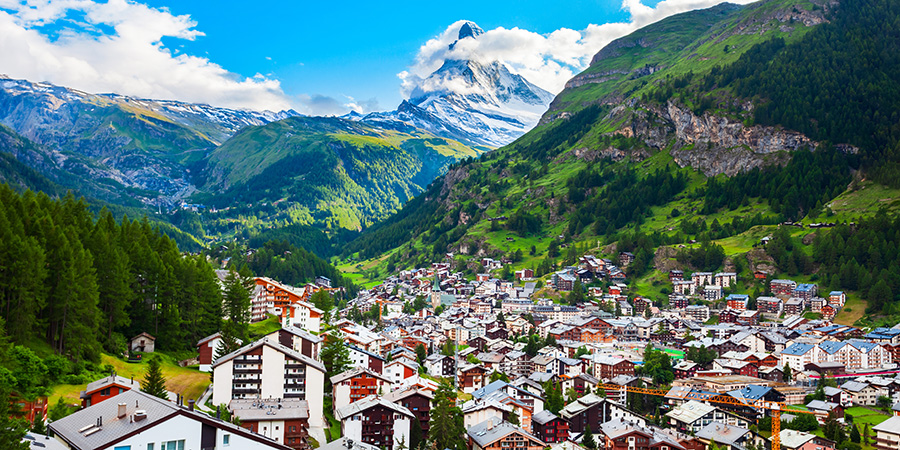
Don’t Try to Cover the Entire Country
This is one of the easiest ways to turn an exciting trip into an exhausting one.
Switzerland looks small on a map, but changing destinations takes time.
Instead of trying to visit Zurich, Geneva, Bern, Lucerne, Zermatt, Interlaken and every mountain village in one short trip, choose a few places that fit together geographically.
You’ll have more time to actually enjoy them.
Get Comfortable With Public Transportation
Trains are a major part of traveling around Switzerland, and buses, boats and mountain transport add even more options.
Before buying tickets, look at your complete itinerary and compare the available fares and travel passes.
The right choice depends on how many journeys you’ll make and which regions you’ll be visiting.
Pack for Layers

Swiss weather can change quickly, particularly when you’re moving between cities and mountain areas.
A morning can start comfortably and end much cooler at higher elevations.
Pack clothing that you can add or remove throughout the day.
Comfortable walking shoes are also worth prioritizing. You’ll probably walk more than you expect.
Leave Some Empty Space in Your Schedule
This may be the most underrated Switzerland travel tip.
Don’t plan every hour.
Leave room for a long breakfast, an unexpected viewpoint, a slow lunch or an extra walk around a village.
A trip can feel much better when you aren’t constantly watching the clock.
Check Mountain Conditions
If your plans include hiking or high-altitude destinations, check the weather forecast, trail conditions, transport schedules and local guidance before setting out.
Mountain conditions can be very different from what you’re experiencing in the city below.
Switzerland Travel on Different Budgets
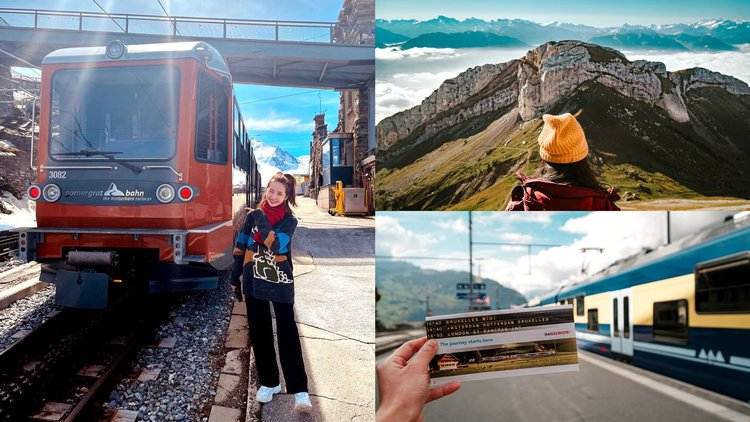
Switzerland has a reputation for being expensive, and your final cost will depend heavily on where you stay, how you travel and what you choose to do.
| Travel Style | Practical Ways to Plan |
|---|---|
| Budget | Compare accommodation, use public transportation and combine casual meals with supermarket options |
| Mid-range | Mix hotels and apartments and choose a few paid experiences that matter most to you |
| Luxury | Consider premium hotels, fine dining, private experiences and higher-end mountain or rail journeys |
| Family | Choose convenient accommodation and activities that work comfortably for different ages |
Accommodation and transportation can make up a significant portion of your budget. Dining, mountain excursions and activities will add to the total depending on your itinerary.
A rough daily budget before the trip can make planning much easier.
What to Pack for Switzerland
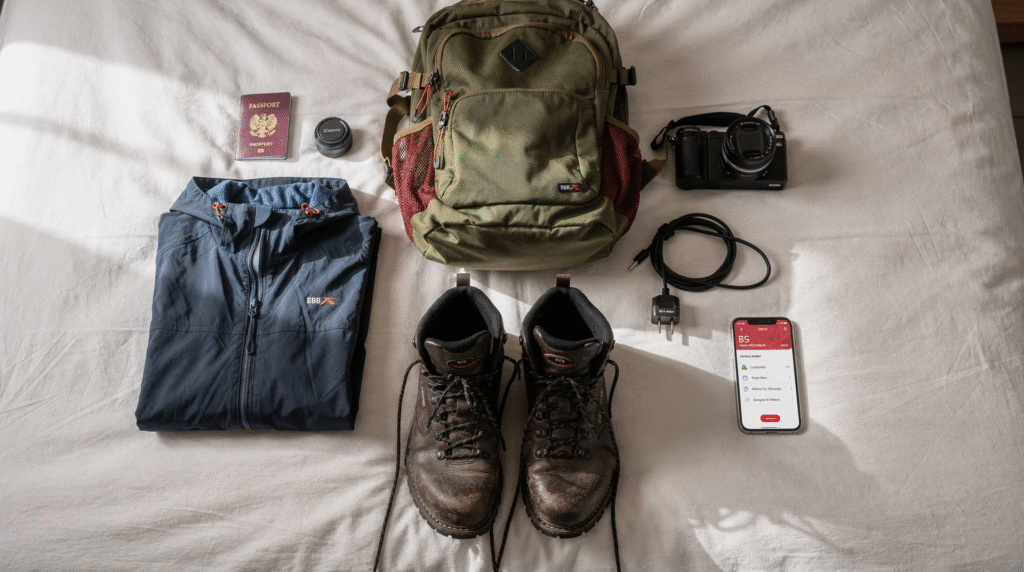
Your packing list should change with the season, but these are useful for most trips:
- Comfortable walking shoes
- Lightweight layers
- Waterproof jacket
- Warm clothes for mountain areas
- Sunglasses
- Sun protection
- Reusable water bottle
- Small daypack
- Portable power bank
- Travel documents
- Payment cards
- Personal medication you normally carry
If you’re planning serious hikes, check the requirements and conditions for your individual routes rather than relying on a general packing list.
Switzerland Travel Mistakes to Avoid
Trying to visit too many places.
A long list of destinations can look exciting until you realize how much time you’ll spend checking out, checking in and traveling.
Ignoring the weather.
Mountain views are highly dependent on conditions. A viewpoint that looks spectacular in a photo may be hidden behind clouds when you arrive.
Underestimating walking.
Historic centers, train stations, viewpoints and sightseeing areas can involve plenty of walking.
Making your itinerary too rigid.
Weather delays and changing conditions are part of travel, particularly in the mountains. Leave some flexibility.
Spending the entire trip chasing photographs.
Take the pictures, but remember to put the camera down occasionally. Switzerland is one of those places where the view deserves your full attention.
How to Plan Your Switzerland Trip
Start by asking yourself one simple question:
What do I actually want to experience?
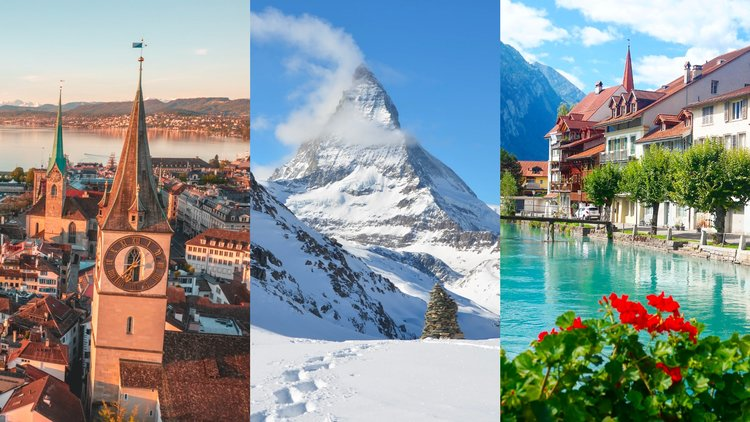
If mountains are the main reason you’re going, look at Zermatt, Interlaken, Grindelwald and Lauterbrunnen.
A If you’re more interested in city life, history and culture, Zurich, Geneva, Bern and Lucerne offer plenty to explore.
If this is your first trip and you want a mixture of everything, combine a city, a lake destination and a mountain region.
Once you’ve chosen your destinations, look at the transportation connections between them. Then check accommodation locations, seasonal conditions, mountain transport schedules and attraction opening times.
And leave some breathing room.
You may discover that your favorite part of the trip wasn’t the attraction you carefully planned three months earlier. It might be the unexpected café, the quiet train ride, the village you hadn’t heard much about, or the moment you stopped beside a lake because the scenery was simply too beautiful to walk past.
Frequently Asked Questions
1. What are the best places to visit in Switzerland?
Some popular places to visit in Switzerland include Lucerne, Zurich, Interlaken, Zermatt, Lauterbrunnen, Grindelwald, Geneva, Bern, Montreux, and St. Moritz. Each offers a different experience, from mountain scenery and outdoor activities to historic cities and lakeside escapes.
2. What is the best time to visit Switzerland?
The best time depends on what you want to do. Summer is popular for hiking and sightseeing, winter is ideal for snow and skiing, while spring and autumn can be great for scenic travel, photography, and exploring cities.
3. How many days are enough for a Switzerland trip?
Around 7 to 10 days can provide a good introduction to Switzerland, allowing you to combine cities, lakes, and mountain destinations. A longer trip gives you more time to explore individual regions without rushing.
4. Is Switzerland expensive to visit?
Switzerland can be an expensive destination, particularly for accommodation, dining, transportation, and mountain activities. Planning ahead, comparing accommodation, using public transportation, and choosing experiences carefully can help manage your overall travel budget.
5. What is Switzerland best known for?
Switzerland is known for its Alps, scenic lakes, picturesque villages, efficient railways, Swiss chocolate, cheese, watches, and beautiful mountain destinations such as Zermatt and the Matterhorn.