

Staying focused while working isn’t just about willpower — it’s about creating the right environment, mindset, and habits. Distraction is natural, especially with phones, social media, noise, and multitasking pulling our attention in a dozen directions. The good news is that focus can be trained just like a muscle. The more you practice, the stronger it becomes.
Here’s a detailed and practical guide to help you improve your concentration and handle distractions effectively.
1. Create a Clean, Organized Workspace
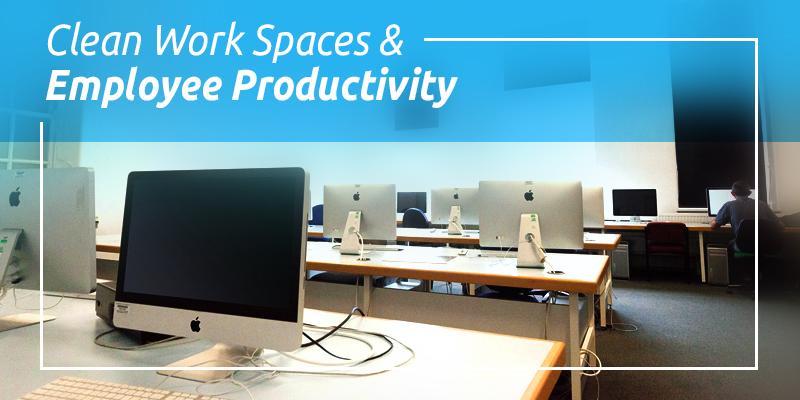
Your surroundings affect your ability to think and concentrate. A messy or chaotic workspace can drain mental energy without you realizing it.
Try the following:
- Remove unnecessary items like old papers, random objects, food wrappers, etc.
- Keep only what you need: laptop, notebook, pen, and water.
- Add items that boost comfort or productivity, like a small plant, ergonomic chair, or soft light.
A clean workspace sends a psychological signal: this is a place for focus, not distraction.
2. Set Clear Intentions Before You Start
Before beginning work, define exactly what you want to accomplish. Vague tasks lead to procrastination.
Examples of clear goals:
- Instead of: Work on project
- Try: Write the introduction and outline three main points
You can create:
- A daily task list
- A weekly plan
- A “must-do” priority section
Clear goals create structure and make it easier to stay focused because your brain knows what comes next.
3. Use Time-Blocking or Focus Cycles
Time-blocking divides your day into work, break, meal, and rest segments. This prevents burnout and helps your brain stay engaged.
One of the most effective techniques is the Pomodoro Technique:
- Work for 25 minutes
- Take a 5-minute break
- Repeat this 4 times
- Take a 15–20 minute break
This method works because the mind can handle intense concentration better in short bursts. It also builds urgency — since you have a set time, you’re more likely to focus.
4. Control Digital Distractions
Technology is one of the biggest focus-killers. Notifications trigger dopamine, making us crave checking messages or scrolling.

Here are ways to control it:
- Put the phone in another room while working.
- Turn on airplane mode, silent mode, or do-not-disturb.
- Use apps like Forest, Cold Turkey, or Focus To-Do to block distracting sites.
- Turn off unnecessary alerts like social media, news, or shopping apps.
Remember: your phone should work for you — not the other way around.
5. Avoid Multitasking
Multitasking may feel productive, but it actually lowers efficiency. Your brain has to constantly switch between tasks, causing mental fatigue.
Instead, practice single-tasking:
- Focus on one task until it’s complete or until your timer ends.
- Only move on when done.
You’ll work faster, make fewer mistakes, and feel less overwhelmed.
6. Practice Deep Work
Deep work means focusing without interruptions on demanding tasks. This is where your best creativity, productivity, and progress happen.
To get better at deep work:
- Schedule your most important task when your energy is highest (often mornings).
- Reduce external interruptions (door closed, headphones, silent phone).
- Mentally commit to finishing a section of work before stopping.
The more you practice deep work, the easier it becomes.
7. Take Breaks to Reset Your Mind
Breaks help refresh your mental clarity and prevent fatigue. They are essential — not a waste of time.

During breaks, avoid scrolling on your phone because it overstimulates your brain. Instead, try:
- Stretching
- Drinking water
- Walking
- Deep breathing
- Closing your eyes
Short breaks protect your energy and help maintain focus throughout the day.
8. Track Your Distraction Patterns
Sometimes distractions come from physical needs, external interruptions, or emotional states. Keeping a distraction log can help you identify the source.
Example entry:
- 2:40pm — checked phone because bored
- 11:15am — distracted by hunger
After a few days, you’ll notice patterns — then you can solve them.
9. Maintain Healthy Lifestyle Habits
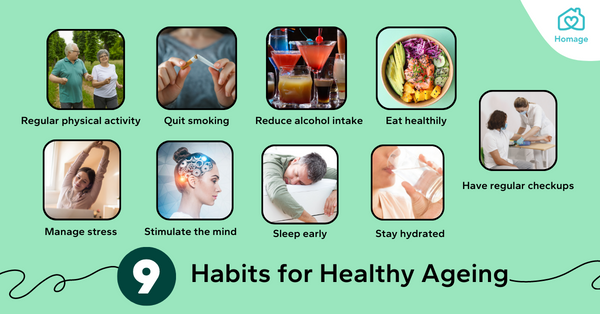
Your brain performs best when your body is cared for.
Healthy habits include:
- Getting 7–8 hours of sleep consistently
- Eating nutritious meals (avoid heavy or sugary foods while working)
- Drinking enough water
- Exercising regularly — even 10–15 minutes helps
Mental focus becomes easier when your body feels energized and steady.
10. Build Consistency Through Routine
Our brain loves patterns. When you work at the same time each day, it becomes a habit — not a struggle.
You can create:
- A start routine (make tea, clear desk, open notebook)
- A work routine (focus cycle + breaks)
- An end routine (review accomplishments, plan tomorrow)
Routine trains your mind to enter a focused mode automatically.
Closing Message
Staying focused isn’t about being perfect — it’s about progress. Each small improvement you make adds up over time. With consistent habits, a clear environment, and a mindful approach, you can train your mind to stay present and productive. Remember, distractions may happen, and that’s okay — what matters is returning to your task with intention and patience.
#Productivity #StayFocused #TimeManagement #DeepWork #FocusMode #WorkSmart #NoDistractions #MindsetMatters #HealthyHabits #ConsistencyIsKey #MotivationDaily #Anslation #Carrerbook