

Starting a business when you have no experience sounds tough, but it’s more doable than you think. Most beginners don’t start with money, skills, or connections. They simply start small, learn quickly, and adjust along the way. You can do the same.
Here’s a clear, beginner-friendly guide to help you get started.
1. Choose a Simple Business Idea
You don’t need a big or complicated idea. Pick something you can start with the resources you already have.
Good beginner options:
- Freelancing (writing, designing, social media)
- Selling products online
- Dropshipping or print-on-demand
- Affiliate marketing
- Blogging or YouTube
- Home or cleaning services
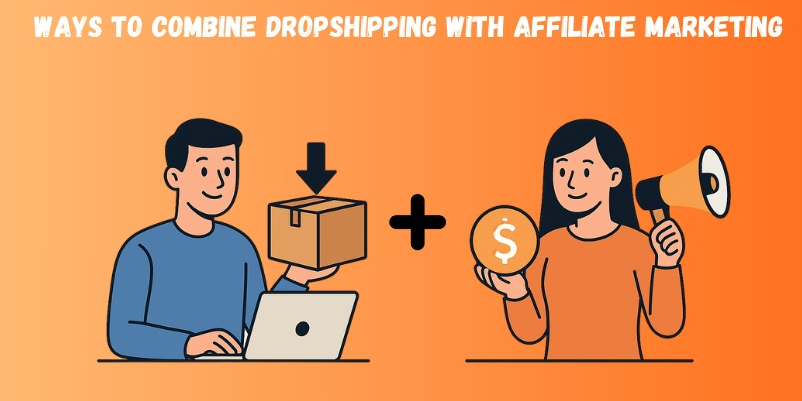
The best idea is one you can start quickly without spending a lot.
2. Learn the Basics for Free
You don’t have to pay for expensive courses. There are plenty of free resources online.
Try:
- YouTube tutorials
- Free courses on Coursera
- Google Digital Garage
- Blogs and podcasts
Focus on learning simple topics like marketing, communication, and customer needs.
3. Start Small and Test Your Idea
Don’t wait until everything is perfect. Test your idea with a small audience.
You can:
- Offer your service at a low price
- Create a simple landing page
- Ask for feedback
- Improve based on what people say
This helps you avoid wasting money and gives you confidence.
4. Create a Basic Online Presence
People trust you more when you look present online.
Start with:
- A simple website (WordPress, Wix, or Squarespace)
- Social media pages
- A clean profile picture and bio
Keep your message clear: who you help and how.
5. Use Free or Low-Cost Tools
You don’t need a team. A few helpful tools can make the process easier.
Try using:
- Canva for designs
- Google Workspace for email
- ClickUp or Trello for planning
- ChatGPT for ideas and writing
- Mailchimp for email updates
These tools help you stay organized without spending much.
6. Keep Costs as Low as Possible
You can start a business without a big budget.
Ways to save money:
- Work from home
- Use free trials
- Start with organic marketing (no ads)
- Offer pre-orders to raise early funds
A low-cost start reduces risks and stress.
7. Learn While Doing
You don’t need to know everything on day one. Every step teaches you something. As you work with clients or customers, your skills naturally improve.
8. Connect with People Who Can Guide You
Talking to others makes your journey easier.
Join:
- Facebook or LinkedIn groups
- Local meetups
- Free online workshops
Ask questions and learn from people who’ve already done it.
9. Be Consistent
The beginning feels slow, but consistency builds results.
What helps:
- Set small goals
- Do a little work every day
- Track your progress
- Stay patient
Small steps add up over time.
10. Start Selling Early
When you start charging—even a small amount—you officially become a business owner.
Sell to:
- Friends
- Local people
- Social media followers
- Online marketplaces
The sooner you sell, the sooner you learn what works.
Final Thoughts
You don’t need experience, a big idea, or a lot of money to start a business. You just need the courage to begin, learn as you go, and stay consistent.
Starting small today can turn into something big tomorrow.
#StartABusiness #BusinessForBeginners #EntrepreneurLife #NewEntrepreneurs #SmallBusinessTips #BusinessGrowth #StartupJourney #MakeMoneyOnline #BeginnerFriendly #OnlineBusinessIdeas #SideHustleLife #BuildYourDream #Anslation #Carrerbook