
Travel has a funny way of making ordinary things feel exciting. Travel Tips A train ride can become part of the adventure, a small local café can turn into a favorite memory, and getting a little lost can lead you somewhere you never planned to visit.But getting to those enjoyable moments takes a bit of preparation.There are flights to compare, hotels to book, bags to pack, documents to organize, money to manage, and countless small details to remember. Without a plan, even an exciting trip can start feeling tiring before it has properly begun.
The good news is that travel planning doesn’t have to be complicated.A few smart habits can make a noticeable difference. Pack things you’ll actually use, keep important information easy to find, understand your transportation options, and give yourself enough breathing room in your schedule.
Whether you’re planning a quick weekend escape, a family vacation, a solo adventure, or an international trip, these travel tips and hacks can help you spend less time worrying about logistics and more time enjoying where you’ve gone.
Plan Your Trip Without Overplanning It
One of the easiest travel mistakes is trying to organize every minute of a holiday.
Having no plan can create problems, but having an itinerary packed from morning to night can be just as exhausting. A better approach is to know the important details while leaving some room for the unexpected.
Start by figuring out your travel dates, accommodation, transportation, weather, and a handful of places you’d genuinely like to visit.
You can always add more once you’re there.
Travel Planning Checklist
| Task | Why It Matters |
|---|---|
| Choose your destination and dates | Gives the trip a clear starting point |
| Check passport and visa requirements | Helps avoid documentation problems |
| Book flights and accommodation | Takes care of the main travel arrangements |
| Research local transportation | Makes getting around less confusing |
| Check the weather | Helps you pack appropriately |
| Save reservations | Keeps booking details easy to access |
| Review travel insurance options | Helps you prepare for certain unexpected situations |
Travel hack: Create one travel folder on your phone containing your flight details, accommodation information, important addresses, tickets, and reservation confirmations. Save the essential details offline as well.
Compare Flights Before Booking
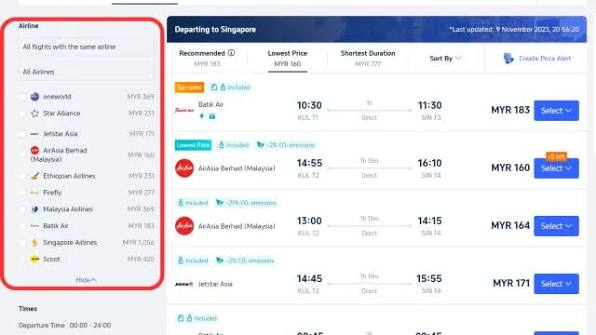
Finding a suitable flight isn’t always about finding the lowest number displayed on a search page.
A cheap fare can become more expensive after baggage, seat selection, airport transfers, or other charges are added. A slightly more expensive flight may also save time if it has a better schedule or fewer connections.
If your dates are flexible, check several departure and return dates. It can also be useful to compare nearby airports when they’re realistically accessible.
Tips for Booking Flights
- Check flexible dates: Look at nearby dates before deciding.
- Compare different airlines: Routes, baggage rules, and schedules can vary.
- Look at the airline’s website: Check the final fare and booking conditions.
- Read baggage rules: Know exactly what your ticket includes.
- Compare alternative airports: Include transportation costs in your calculation.
- Check cancellation terms: Understand what happens if your plans change.
There isn’t one magic day that guarantees the cheapest airfare. Instead, compare the complete options and consider the balance between price, timing, convenience, and flexibility.
Pack Less, But Pack Better
A suitcase doesn’t have to contain your entire wardrobe.
One of the simplest travel hacks is to choose clothes that can work in several combinations. Neutral basics, comfortable shoes, and layers are often more useful than packing a different outfit for every day.
Think about your destination first. The weather, activities, laundry access, and length of your trip should determine what goes into your bag.
Smart Packing Guide
| Item | Packing Tip |
|---|---|
| Clothing | Choose pieces that can be mixed and matched |
| Shoes | Take comfortable footwear suited to your plans |
| Toiletries | Use travel-size containers where appropriate |
| Electronics | Pack chargers and necessary adapters |
| Medicines | Carry essential medicines safely and with their relevant information |
| Travel documents | Keep important documents secure and accessible |
| Reusable bag | Handy for shopping, laundry, or day trips |
| Small day bag | Useful for carrying essentials while exploring |
Travel hack: Make your packing list before you start putting things into the suitcase. Once everything is packed, take a second look and remove items you added simply because you weren’t sure whether you might need them.
Organize Your Travel Documents
Few things create travel stress faster than realizing you can’t find an important document when you need it.
Before leaving, check your passport, visa or entry requirements, tickets, accommodation details, insurance information, and any other documents relevant to your journey.
Keep your original documents secure and maintain appropriate digital copies.
Documents to Check Before Traveling
| Document | What to Check |
|---|---|
| Passport | Expiry date and destination requirements |
| Visa or entry authorization | Whether it is required for your destination |
| Flight tickets | Booking details and check-in information |
| Hotel reservation | Address, confirmation number, and check-in details |
| Travel insurance | Policy information and assistance contacts |
| Identification | Accepted ID requirements |
| Emergency contacts | Important numbers available offline |
Travel hack: Don’t rely entirely on an internet connection to access important information. Save key reservation numbers, addresses, and contact details somewhere accessible offline.
Choose Accommodation Based on the Whole Trip

The cheapest hotel isn’t automatically the cheapest choice.
Imagine finding a low-priced room far outside the area you want to explore, only to spend extra money and hours every day getting back and forth. A slightly different accommodation choice could make the entire trip easier.
When comparing places to stay, look at the location, transportation, total price, cancellation policy, amenities, and recent reviews.
How to Compare Accommodation
| Factor | What to Consider |
|---|---|
| Location | Distance from attractions, restaurants, and transportation |
| Total price | Taxes, fees, and additional charges |
| Reviews | Recent comments about cleanliness and service |
| Transportation | Nearby buses, trains, or other options |
| Amenities | Wi-Fi, breakfast, laundry, kitchen, or other useful facilities |
| Cancellation policy | Whether you can change or cancel the reservation |
| Check-in | Arrival time and check-in arrangements |
Travel hack: Open the property location on a map before booking. Look at the surrounding area rather than judging the accommodation from its listing alone.
Give Yourself a Daily Travel Budget
You don’t have to track every rupee, dollar, or euro to manage your travel spending.
A simple daily budget is often enough to give you a sense of where your money is going. Start with the expenses you know you’ll have, such as accommodation, transportation, and major activities. Then leave room for meals, shopping, and unexpected purchases.
Easy Ways to Manage Travel Costs
| Expense | Practical Tip |
|---|---|
| Food | Mix restaurants with local cafés and affordable meals |
| Transportation | Compare passes, tickets, and other local options |
| Attractions | Check official websites for prices and advance booking |
| Shopping | Decide on a comfortable spending limit |
| Accommodation | Compare the complete cost rather than only the nightly rate |
| Mobile data | Check roaming costs and available alternatives |
| Currency exchange | Look at both the exchange rate and applicable fees |
Free parks, public spaces, local markets, walking routes, and community events can also add plenty to a trip without adding much to the budget.
Make Your Carry-On Work for You
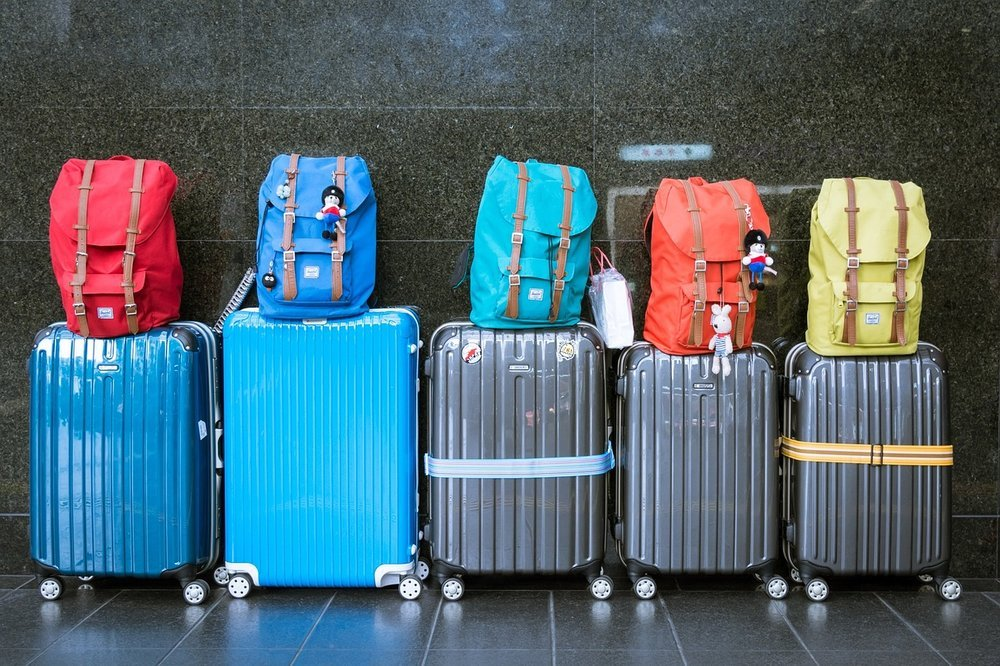
Your carry-on isn’t just a smaller suitcase. It is your backup plan.
If checked luggage is delayed, the things in your carry-on can make the situation much easier to manage. Keep your important documents, essential medication, payment methods, electronics, and a few useful personal items close to you.
Carry-On Essentials
- Passport or accepted identification
- Phone and charger
- Wallet and payment cards
- Essential medication
- Headphones
- Light jacket or extra layer
- Travel and accommodation details
- Change of clothes for longer journeys
- Reusable water bottle, where permitted
Travel hack: Keep frequently needed items in one easy-to-reach section of the bag. Searching through your entire carry-on at an airport is nobody’s idea of fun.
Use Travel Apps Without Overloading Your Phone
Your phone can be one of the most useful things you carry while traveling.
Maps can help you navigate unfamiliar streets, translation tools can make communication easier, and travel apps can keep bookings in one place. But you don’t need dozens of apps for every possible situation.
Choose a small collection that genuinely helps.
Useful Types of Travel Apps
| App Type | How It Helps |
|---|---|
| Maps and navigation | Helps you find routes and nearby places |
| Flight tracking | Provides flight updates |
| Booking apps | Keeps reservations accessible |
| Translation tools | Helps with languages and signs |
| Currency converters | Makes price comparisons easier |
| Budget trackers | Helps monitor spending |
| Weather apps | Helps you prepare for changing conditions |
Before departure, download offline maps for places where you may have limited connectivity. Save important booking information to your phone as well.
Learn How You’ll Get Around

Transportation can shape the entire feel of a trip.
In one destination, walking and trains may be the easiest combination. Somewhere else, buses, taxis, rental cars, or ride-hailing services may make more sense.
Spend a little time researching transportation before arriving. It can save you from figuring everything out while standing outside an airport with luggage.
Transportation Tips for Travelers
- Check whether a local transit pass is useful for your itinerary.
- Find out how tickets are purchased and validated.
- Research airport transportation before arrival.
- Save your accommodation address on your phone.
- Use reputable transportation services.
- Allow extra time for airports, stations, and important connections.
Walking can also be one of the nicest ways to experience a destination when the route and conditions make it practical.
Take Simple Steps to Stay Safe
Travel safety doesn’t have to mean worrying about every possible problem.
Basic awareness goes a long way. Keep your belongings secure, pay attention in crowded areas, use reputable services, and learn a little about the place you’re visiting before you arrive.
For international trips, check relevant official travel information and local guidance before departure.
Simple Travel Safety Habits
| Situation | Helpful Habit |
|---|---|
| Crowded areas | Keep valuables secure and stay aware |
| Accommodation | Lock doors and use available security features |
| Public Wi-Fi | Be cautious with sensitive accounts and transactions |
| Transportation | Use reputable providers |
| Emergency | Know the local emergency number |
| Documents | Keep copies separate from originals |
| Solo outings | Let someone you trust know your general plans |
Keep important emergency contacts available offline. Knowing who to contact can make a difficult situation much easier to handle.
Make Long Journeys More Comfortable
A long flight, train ride, or road trip can leave you feeling worn out before you’ve even reached your destination.
Comfortable clothes, entertainment, snacks, and a few familiar items can make a noticeable difference.
Long-Travel Comfort Kit
- Comfortable clothing
- Extra layer
- Neck pillow if you find one useful
- Earplugs or headphones
- Eye mask
- Water bottle, subject to travel rules
- Suitable snacks
- Downloaded music, books, or shows
- Basic personal-care items
If you’re traveling overnight, keep the things you’ll need before sleeping and after waking somewhere easy to reach.
Learn a Few Local Words

You don’t have to become fluent in a new language before taking a holiday.
Learning a handful of useful words can make everyday interactions easier and can be a nice way to show respect for the local culture.
Start with simple phrases such as greetings, thank you, please, excuse me, and questions for directions.
Local customs are worth learning about too. Dress expectations, photography rules, tipping habits, dining etiquette, and behavior at religious or cultural sites can vary widely.
Travel hack: Save useful phrases on your phone before leaving. If your translation app supports offline language packs, download the relevant language in advance.
Prepare Your Money and Payment Methods
Money is one travel detail worth sorting out before you leave.
Find out how people commonly pay at your destination. Cards and digital payments are widely used in many places, while cash remains important in others.
For international trips, check your bank’s information about foreign transactions, ATM withdrawals, exchange rates, and card usage abroad.
Payment Preparation Checklist
| Task | Why It Helps |
|---|---|
| Check card compatibility | Confirms whether your card can be used at your destination |
| Review foreign transaction fees | Helps you understand possible additional costs |
| Carry some local cash | Useful for places that don’t accept cards |
| Bring a backup payment method | Gives you another option if one card doesn’t work |
| Enable transaction alerts | Helps you monitor account activity |
| Know how to report a lost card | Makes it easier to react quickly |
If a payment terminal asks whether you’d like to pay in your home currency or the local currency, look carefully at the exchange rate and any fees shown before making a choice.
Don’t Fill Every Hour of Your Itinerary

Some of the best travel memories aren’t on the original itinerary.Maybe you find a tiny bakery while walking through a neighborhood. Maybe a local recommends a market you hadn’t heard about. Maybe you simply find a beautiful place to sit and do absolutely nothing for half an hour.
Leave room for those moments.
Pick the experiences that matter most to you, group nearby attractions together, and give yourself enough time to eat, rest, travel between places, and enjoy the surroundings.
A good itinerary should help your trip, not control it.
Have a Backup Plan
Travel rarely goes exactly according to plan.
Flights get delayed. Weather changes. Reservations occasionally need to be adjusted. Phones run out of battery at inconvenient moments.
You don’t have to prepare for every possible scenario, but having a few simple backups can make unexpected problems easier to handle.
A Simple Backup Plan
| Possible Problem | Preparation |
|---|---|
| Flight delay | Monitor airline updates and connection details |
| Lost luggage | Keep important essentials in your carry-on |
| Bad weather | Have indoor alternatives in mind |
| Lost phone | Keep important information accessible elsewhere |
| Payment card issue | Carry a backup payment method |
| Booking change | Save confirmation and cancellation information |
If you purchase travel insurance, read the policy carefully. Coverage, exclusions, limits, and claim requirements vary between policies.
Make More Thoughtful Travel Choices
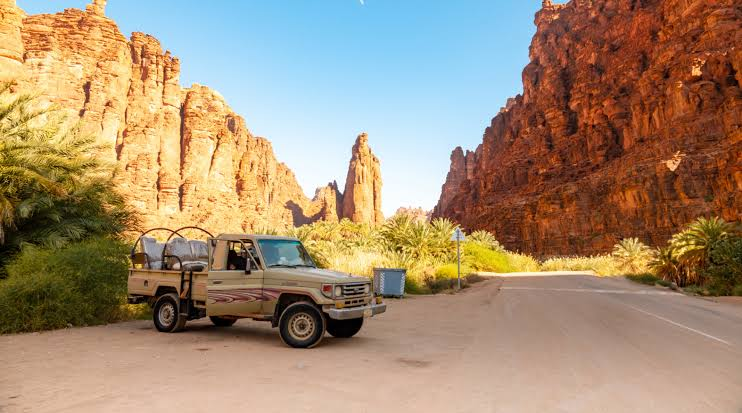
Travel gives you the opportunity to experience places while also supporting the communities that live there.
Small decisions can make a difference. Walk when practical, use public transportation where convenient, reduce unnecessary waste, carry reusable items, and consider locally owned businesses.
Nature and cultural sites deserve the same kind of care. Follow marked paths, respect wildlife, follow site rules, and ask before photographing people when appropriate.
You don’t have to make every travel decision perfectly. Being aware of your impact is a good place to start.
Create Your Own Travel Routine
Once you’ve taken a few trips, you’ll start to notice what works for you.
Maybe you always forget a charging cable. Maybe you prefer packing the night before.A Maybe you like having a printed copy of your hotel details even though everything is on your phone.
Turn those lessons into your own travel checklist.
A simple routine can save a surprising amount of time on future trips.
Before, During, and After Your Trip

| When | What to Do |
|---|---|
| Before departure | Confirm bookings, check documents, review the weather, and pack |
| At the airport or station | Check departure information and keep documents accessible |
| On arrival | Confirm transportation and accommodation details |
| During the trip | Keep track of spending, belongings, and important plans |
| Before returning | Check departure details and organize your luggage |
| After the trip | Save useful notes and review outstanding expenses |
Frequently Asked Questions
1. What are the best travel tips for a stress-free trip?
Plan the important details in advance, keep your documents organized, pack smart, manage your budget, and leave some flexibility in your itinerary.
2. How can I pack lighter for a trip?
Make a packing list, choose versatile clothing, avoid unnecessary duplicates, and pack items that can be used for more than one purpose.
3. How can I save money while traveling?
Compare flights and accommodation, set a daily budget, use public transportation when practical, explore free attractions, and look for local activities.
4. What should I keep in my carry-on bag?
Keep important documents, payment cards, medications, a phone charger, essential toiletries, a change of clothes, and other items you may need during the journey.
5. How can travel apps make a trip easier?
Travel apps can help with maps, transportation, bookings, itineraries, currency conversion, language assistance, and finding useful local information.